Acne-Prone Skin: What Actually Works (A Gentle K-Beauty Guide)
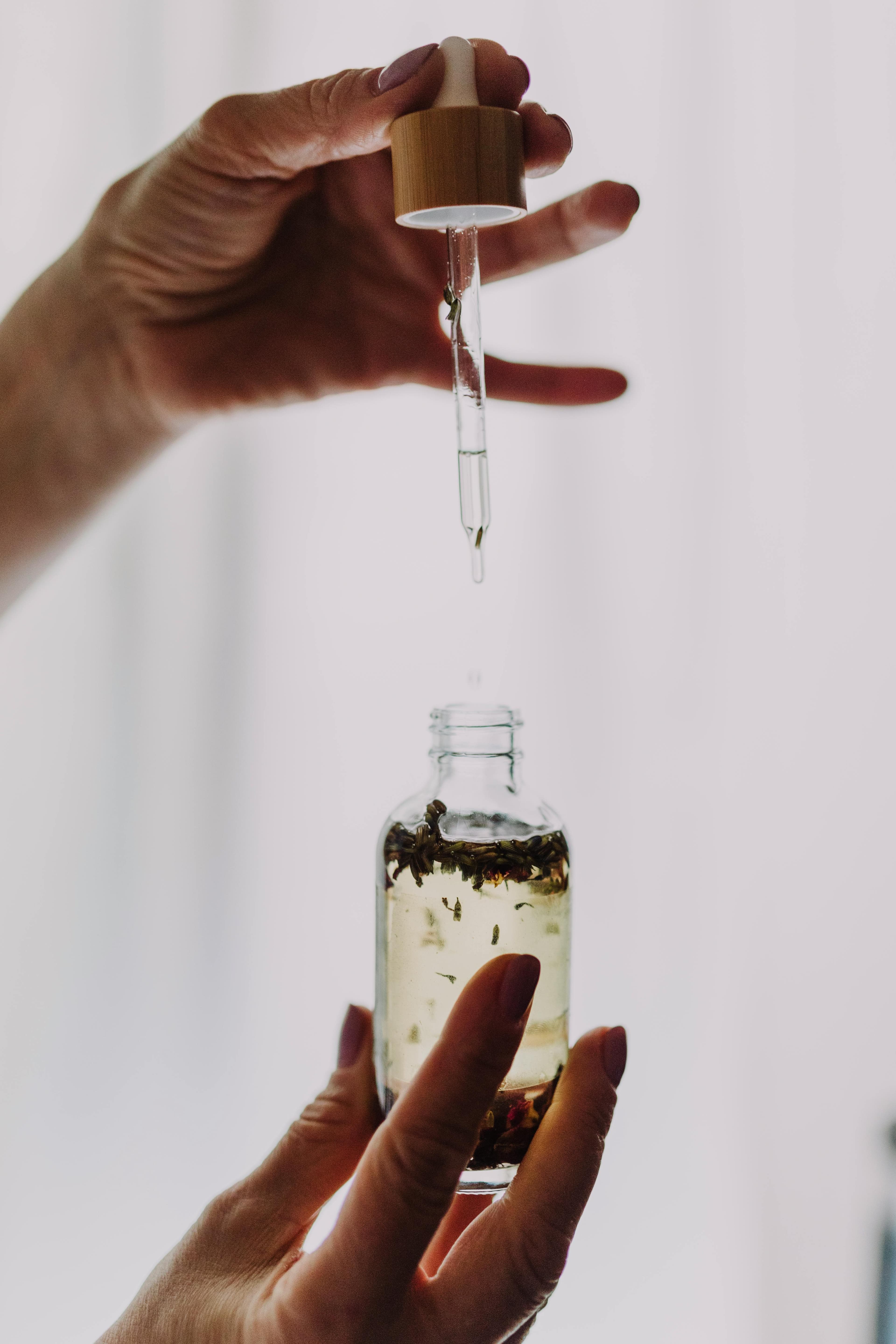
For about three years I treated my own skin like an enemy. Stripping cleansers, alcohol toners, a different "miracle" spot treatment every other week. I'd scrub until my face squeaked, then wonder why I was breaking out worse than ever. Spoiler: I was the problem. Not my skin — my routine.
Here's the thing nobody tells you when you're 22 and panicking in the drugstore aisle. Most acne-prone skin isn't too dirty. It's too damaged. You over-clean, the barrier cracks, the skin panics and pumps out more oil to compensate, and then you over-clean again to deal with the oil. Round and round. The whole loop is the breakout.
So this isn't a "fight your acne" post. It's a calm-it-down post. And honestly, the Korean approach — gentle cleansing, real hydration, repair the barrier first — is built for exactly this.
First, figure out what kind of acne you've actually got
Because "acne" is three or four different problems wearing the same coat, and they don't all want the same things.
Congestion — these are your blackheads, your closed comedones, that gritty texture along the nose and chin. Pores get clogged with oil and dead skin, nothing's red or angry yet, it's just... bumpy. This is the kind a good BHA was basically invented for. It's also the most fixable, so good news.
Inflammatory acne is the classic stuff. Red papules, whiteheads with a head you (please) don't pop. Bacteria gets involved, the area swells, it hurts a little. Congestion that didn't get dealt with often graduates into this.
Hormonal acne has a tell: it shows up in a pattern, usually around the jaw, chin, and lower cheeks, and it tends to cycle. Mine flares the week before my period like clockwork — same three spots, same deep ache. Topicals help the symptoms, but if it's truly hormonal, no toner on earth is fixing the root cause. That's a conversation for a doctor (more on that later).
Cystic acne is the serious one. Deep, painful nodules under the skin that never come to a head, the kind that can last weeks and scar. I want to be straight with you here: this is not a skincare-routine problem. If you've got recurring cysts, please skip the rest of this post and book a dermatologist. A good one can actually change your life with prescription options. I'm not being dramatic.
Most people reading this have some mix of congestion and inflammatory, with hormonal flares layered on top. That mix? Very manageable at home.
The stuff that genuinely works (and the stuff that just hurts)
Let me save you the years I wasted.
Salicylic acid (BHA) is the real one. It's oil-soluble, which means it actually gets into the pore and clears out the gunk instead of just buffing the surface. For congestion and blackheads, nothing in my cabinet has done more. The COSRX BHA Blackhead Power Liquid is the cult favorite for a reason — it's a low, gentle 4% betaine salicylate, not a face-melter, and you can build up to using it most nights. I started with twice a week. Patience pays here.
Niacinamide is the unglamorous workhorse. It helps regulate oil, calms redness, and over time can fade the brown marks acne leaves behind (those are post-inflammatory hyperpigmentation, not scars — they fade, scars don't). Numbuzin and a dozen other Korean brands make affordable niacinamide serums, and you'll find it baked into all sorts of toners too. It plays nice with almost everything, which is rare.
Gentle cleansing matters more than any active. I'm serious. The COSRX Low pH Good Morning Gel Cleanser sits around the pH your skin actually likes — high-pH foaming cleansers are the ones that leave you tight and squeaky, and tight-and-squeaky is your barrier waving a white flag. If your face feels stripped after washing, that's not "clean." That's a problem.
Hydration and barrier repair are the part acne-prone people skip out of fear, and it backfires every single time. Oily, broken-out skin can still be dehydrated — actually it usually is, because we've all been drying it out on purpose. The Etude SoonJung line was built for sensitized, reactive skin and it's lovely for this. Heartleaf (houttuynia cordata) is the K-beauty darling for calming angry skin, and the Anua Heartleaf 77% Soothing Toner is the one everyone means when they say "the heartleaf toner." It's watery, soothing, and great for that just-cleansed pause before your treatments.
And the stuff that hurts? Walnut scrubs and any gritty physical exfoliant — they create micro-tears and spread bacteria. Alcohol-drenched astringent toners. Slathering benzoyl peroxide over your entire face every day until it's flaking. Using five new actives at once so you have no idea what's working or what's wrecking you. Doing too much, basically. Acne-prone skin punishes enthusiasm.
Why "barrier first" is the whole game
Quick detour, because this reframed everything for me. Your skin barrier is the outermost layer — the brick wall that keeps water in and irritants out. When it's intact, your skin can defend itself and heal. When it's trashed (over-exfoliation, harsh cleansers, too many actives), everything gets in and everything sets you off. Suddenly products you used fine for years start stinging.
A lot of "sensitive, acne-prone, nothing works" skin is just a broken barrier that needs a few weeks left alone to rebuild. Korean routines lean hard into this — soothing toners, ceramides, light hydrating layers, sunscreen — and it's why so many people with reactive skin find their footing with K-beauty after Western 12-step acne kits chewed them up. The order of operations is: repair, then treat. Not the other way around.
My actual morning routine
Mornings I keep short. Nobody's exfoliating at 7am.
- Rinse or gentle cleanse. If my skin's calm I just splash water. If it's oily or I used a heavy night cream, the COSRX Low pH Good Morning Gel Cleanser — it's literally named for this slot.
- Soothing toner. A few presses of the Anua Heartleaf toner, patted in with my hands. (Skip the cotton pad. Dragging cotton across inflamed skin is rude to it.)
- Niacinamide serum. A couple of drops, pressed in. This is the oil-control and brightening step.
- Light moisturizer. Something simple — a SoonJung moisturizer or any lightweight gel-cream. Yes, even oily skin. Especially oily skin.
- Sunscreen, non-negotiable. The Beauty of Joseon Relief Sun is the one I keep rebuying — it's a chemical sunscreen with a serum-like finish that doesn't sit greasy or leave a white cast, which is the usual deal-breaker for acne-prone people who hate heavy SPF. Sunscreen isn't vanity here, by the way. UV makes those dark acne marks deeper and stick around longer, so if you're trying to fade old spots and skipping SPF, you're filling the bath with the plug pulled.
That's it. Six things, most of them taking ten seconds.
My actual evening routine
This is where the real work happens, but "work" mostly means being gentle and consistent.
- Cleanse properly. If I wore sunscreen or makeup (sunscreen counts!), I double cleanse — an oil cleanser first to melt everything off, then the low-pH gel cleanser. If I did nothing all day, one gentle wash is plenty. Don't double cleanse bare skin; that's just over-washing with extra steps.
- Treatment — and this is the only place I get bossy about frequency. A few nights a week, BHA. The COSRX BHA Blackhead Power Liquid on a cotton pad or pressed in with hands, focused on my congested zones. The Some By Mi AHA-BHA-PHA 30 Days Miracle Toner is another good multi-acid option if you want a gentler all-over exfoliating toner instead of a targeted BHA — but pick one exfoliant per night and don't pile acids on top of acids. On the off nights, I skip this entirely. Rest days aren't lazy, they're the routine working.
- Heartleaf toner again, to soothe after the acid.
- Niacinamide or a calming serum, whatever my skin's asking for that night.
- Moisturizer, a bit heavier than the morning one if my skin feels dry. When my barrier's been through it, this is where I'd reach for something richer.
- Spot treatment, only when needed. This is what acne patches are for. The COSRX Acne Pimple Master Patch is the one that started the whole hydrocolloid-patch trend in the West, and it earns it. Slap one on a whitehead overnight, it flattens the spot and — crucially — stops your hands from finding it at 11pm. The patch is half skincare, half restraining order. I love them.
Notice what's not in here: a different active every night, a scrub, anything that burns. The boring routine is the one that works.
When to stop DIY-ing and see a dermatologist
I'm a skincare-obsessed person on the internet, not your doctor, and there's a real line here. Please see a derm if:
- You've got cystic acne — those deep, painful under-the-skin nodules. Patches and BHA won't touch these.
- You're scarring. Actual indented or raised scars, not the flat brown marks. Once it scars, it's permanent, so the goal is stopping new damage fast.
- You've been consistent and gentle for a solid couple of months and seen nothing. Real consistency, not "I tried it for a week."
- Your acne is clearly hormonal and disrupting your life. There are prescription and medical routes (yes, including options worth talking through with a doctor) that no toner replicates.
- Something feels off — sudden severe breakouts, painful flares, anything that worries you.
There's no medal for suffering through it alone. A dermatologist visit early can save you years and a face full of scars. I waited far too long out of stubbornness and I regret it.
The unsexy truth
Clearing acne-prone skin is mostly about doing less, more consistently, for longer than you want to. No overnight fix. Most actives need a good month or two before you can fairly judge them, and your skin will sometimes get a little worse before it gets better (BHA can surface congestion that was already brewing — annoying, but normal).
Pick a gentle cleanser. Add one exfoliant a few nights a week. Hydrate even though every instinct screams not to. Wear sunscreen. Use the patches instead of your fingers. Then leave your face alone and let it do its thing.
My skin isn't perfect now — I still get a jaw spot every month, hello hormones — but it's calm, it heals fast, and I'm not at war with it anymore. That part, the not-at-war part, is the whole point. Be a little nicer to your face. It's been trying to tell you something this entire time.