Affiliate Disclosure: Corea Skincare participates in various affiliate marketing programs, which means we may earn commissions on purchases made through our links to retailer sites. As an Amazon Associate, we earn from qualifying purchases. These commissions help us maintain our site and continue providing valuable content to our readers at no additional cost to you. We only recommend products we believe will benefit our community.
Look, I'm not gonna lie — my skin used to be a complete disaster. Red patches. Tight, uncomfortable feeling after washing my face. Products that stung the second they touched my cheeks. I tried everything from French pharmacy brands to expensive dermatologist recommendations, and nothing worked for more than a week before my skin would freak out again.
Medical Disclaimer: The information provided in this article is for educational and informational purposes only and is not intended as medical advice. Everyone's skin is unique, and what works for one person may not work for another. If you have specific skin concerns, underlying health conditions, or are experiencing persistent skin issues, please consult with a licensed dermatologist or healthcare professional before starting any new skincare routine. This content does not constitute a diagnosis or treatment recommendation.
Then a Korean friend visited and basically staged a skincare intervention. She took one look at my bathroom shelf and said, "Your barrier is screaming for help." That's when she introduced me to Aestura Atobarrier, and honestly? It changed everything.
What Even Is Aestura Atobarrier?
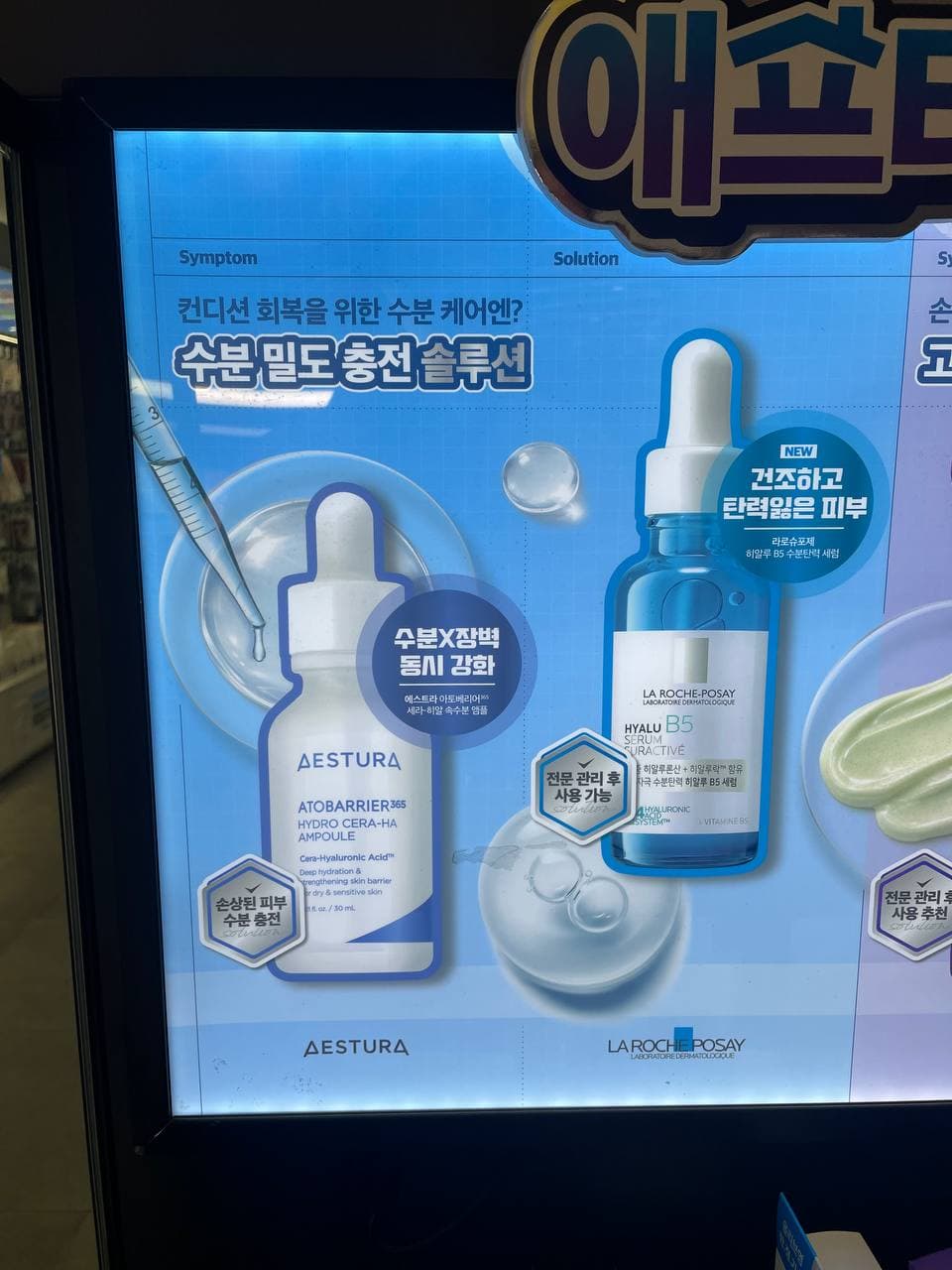
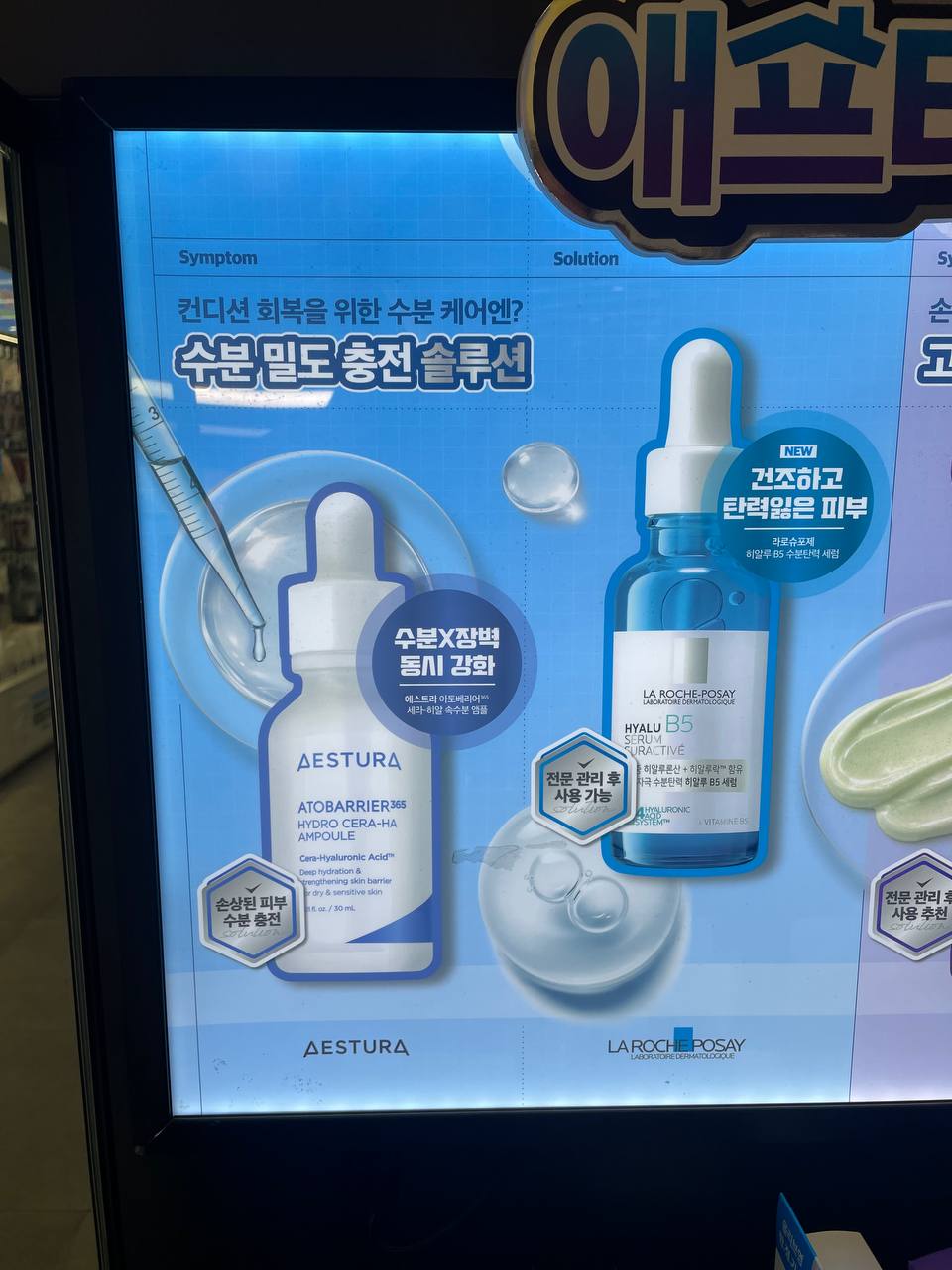
Aestura is one of those Korean skincare brands you don't hear shouted about on Instagram constantly, but dermatologists quietly recommend it all the time. It's actually developed by Amorepacific (yeah, the parent company behind Sulwhasoo and Laneige), but specifically for sensitive and atopic-prone skin. The Atobarrier line is their hero collection, designed to rebuild and protect your skin barrier when it's been compromised.
Think of it like... okay, imagine your skin barrier is a brick wall. When it's healthy, those bricks are tight together, keeping moisture in and irritants out. But stress, harsh products, weather changes, over-exfoliation (guilty as charged) — all that stuff breaks down the "mortar" between those bricks. Your skin gets dehydrated, irritated, reactive to literally everything.
That's where Atobarrier comes in. It's formulated with ceramides, cholesterol, and fatty acids in a ratio that mimics your skin's natural barrier structure. Not just slapping moisture on top, but actually helping repair what's broken underneath.
The Science Part (Without Making Your Eyes Glaze Over)
Aestura's approach is based on the "3:1:1 ceramide ratio" — ceramides, cholesterol, and free fatty acids in roughly the proportions found in healthy skin barrier lipids. The underlying idea comes from barrier-lipid research showing that replacing all three lipid classes in physiological proportions repairs the barrier more effectively than adding a single moisturizing ingredient on its own.
The star ingredient in most Atobarrier products is something called Ceramide 9S. It's a proprietary complex that Amorepacific developed, combining different ceramide types to maximize barrier restoration. Regular ceramides are great, but this particular blend is formulated to penetrate better and stay active longer in your skin.
They also use something called "Derma-Clera" — sounds fancy, right? It's basically a skin-identical lipid complex that reinforces the skin's natural protective layer without causing irritation. For those of us with sensitive skin who react to literally everything, this matters. A lot.
Here's the thing though — Aestura doesn't load their products with a million active ingredients. No trendy acids, no harsh retinoids, no essential oils that might smell nice but wreck sensitive skin. It's minimalist in the best way. Just what your barrier needs to heal, nothing more.
Breaking Down the Atobarrier Product Line
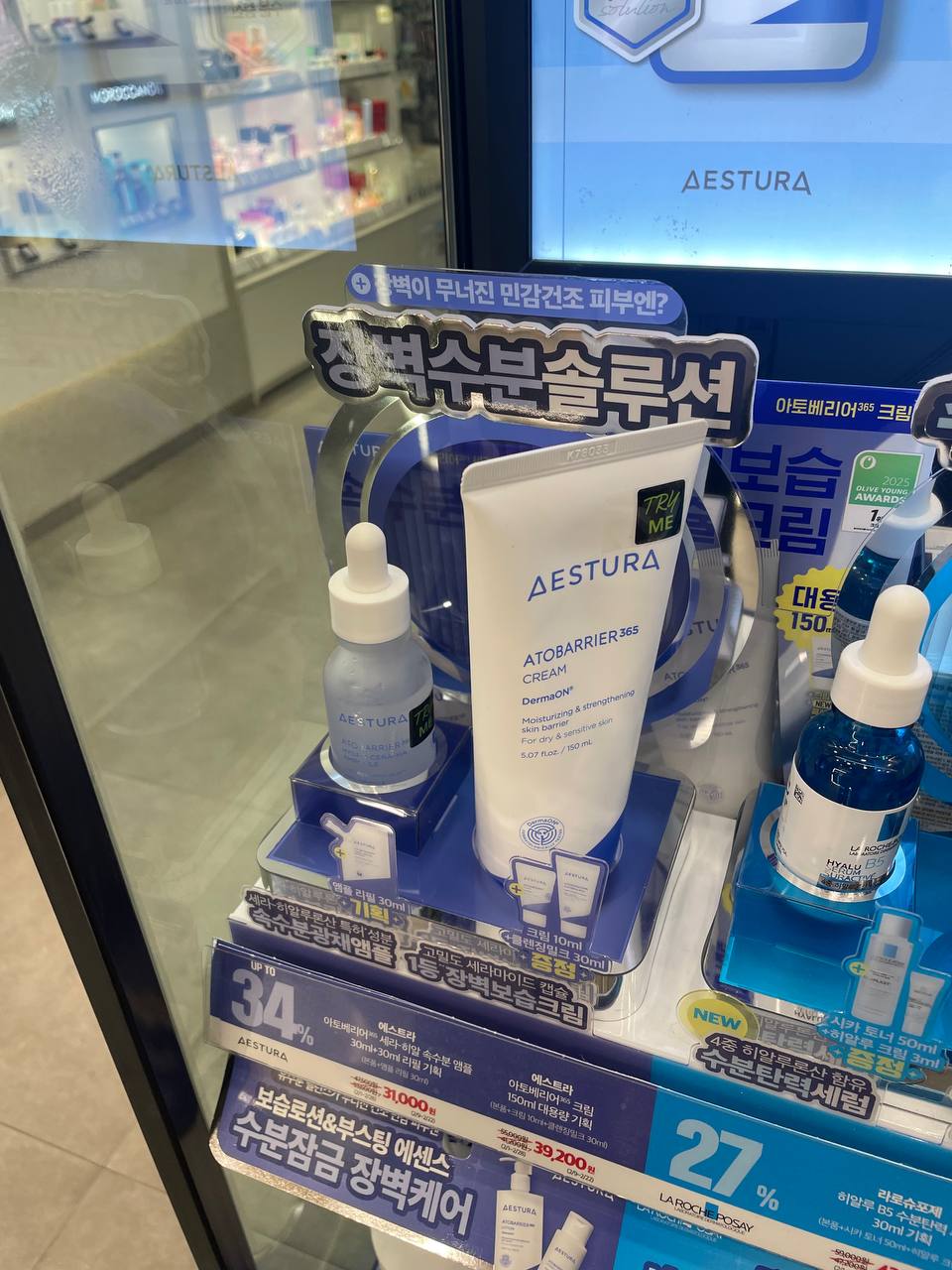
The Atobarrier collection has several key products, and honestly, you don't need all of them (thank god, because skincare gets expensive fast). Let me walk you through what's actually worth your money.
Atobarrier 365 Cream
This is the MVP. The one everyone talks about. It's a rich, cushiony cream that feels substantial without being heavy or greasy. I was skeptical at first because thick creams usually make my combination skin feel suffocated, but this one? It absorbs completely within a couple minutes.
The texture is interesting — almost bouncy when you scoop it out, then it melts into your skin like butter. Contains that Ceramide 9S complex I mentioned, plus panthenol (vitamin B5) for extra soothing action. People with eczema-prone skin swear by this stuff.
One jar lasts forever too. You only need a pearl-sized amount for your whole face. I've been using mine for three months and I'm maybe halfway through. At around $28-35 depending where you buy it, that's pretty reasonable for a barrier-repair cream. Check current prices on Amazon here.
Atobarrier 365 Lotion
This is basically the cream's lighter cousin. Same key ingredients, but in a more fluid, milky texture. Perfect for morning use or if you live in a humid climate where heavy creams feel like too much.
I actually prefer the lotion during summer and switch to the cream in winter when the air gets dry and my skin needs that extra oomph. Both work brilliantly, just different textures for different needs. The lotion layers beautifully under sunscreen without pilling — which, if you've ever had your skincare ball up under SPF, you know is crucial.
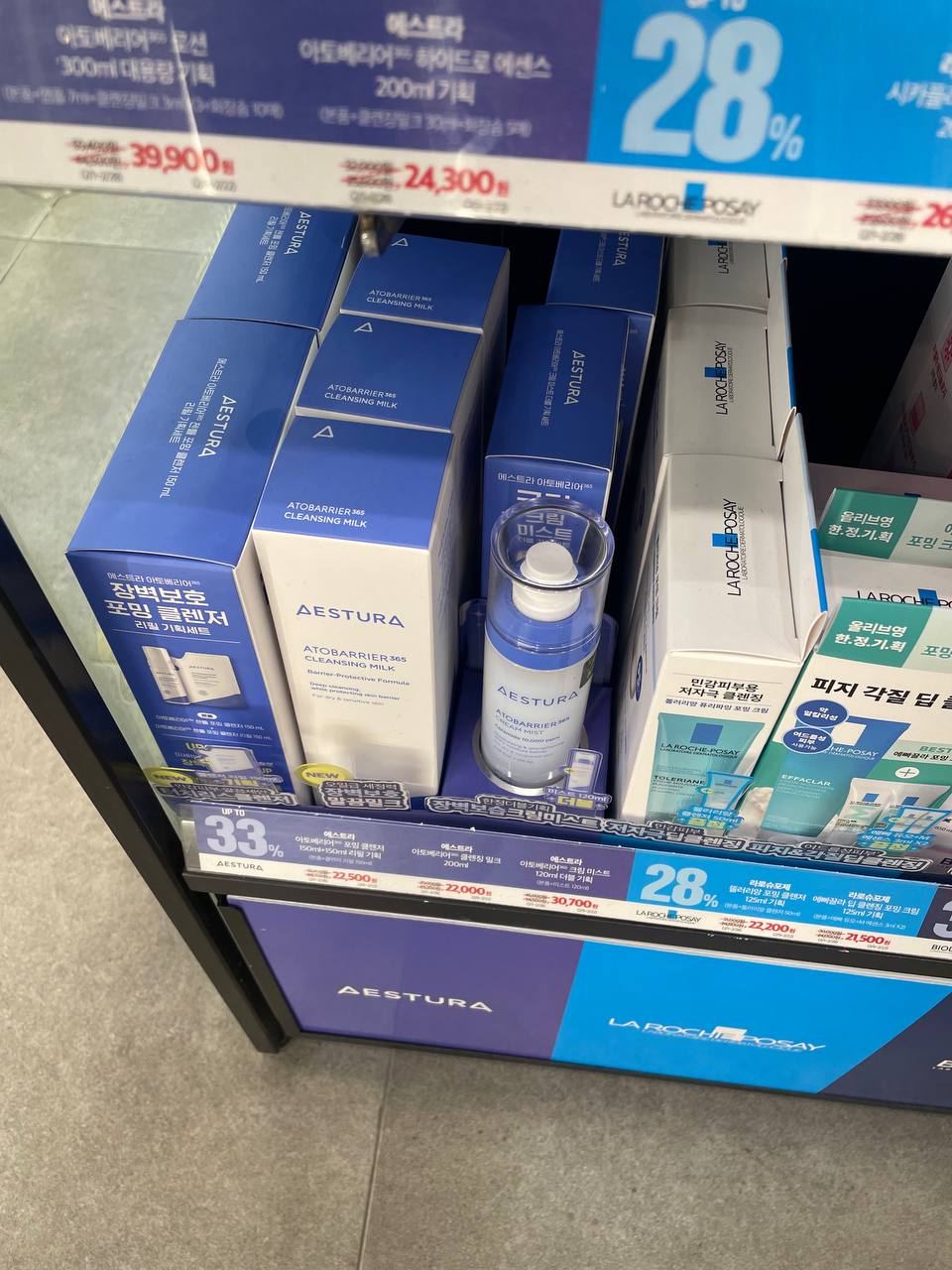
Atobarrier 365 Cream Mist
Okay, this one surprised me. I'm generally not a mist person — they always seemed gimmicky, like fancy water in a spray bottle. But this cream mist? It's actually... really good?
It sprays out as this ultra-fine mist that instantly soothes irritated skin. I keep it in my purse for when my skin feels tight during the day (office air conditioning is brutal). It's not just water with glycerin; it actually contains ceramides and other barrier-supporting ingredients in mist form.
Pro tip: spray it on before your moisturizer. Damp skin absorbs products way better, and this gives you that extra boost of hydration. Also amazing for post-workout when your skin is flushed and needs calming down.
Atobarrier 365 Hydro Soothing Gel
For my oily-combination skin friends, this gel is where it's at. Lightweight, cooling, absorbs instantly. Still has those barrier-repairing ceramides but in a gel-cream texture that won't make you shiny.
I use this during humid months or when my skin is feeling particularly congested but still needs hydration. It's that perfect middle ground between doing nothing and going full moisturizer. Plus, it layers amazingly well under makeup — no pilling, no sliding around.
How to Actually Use Atobarrier Products (Because Nobody Explains This)
Here's what worked for me when my barrier was completely wrecked:
Morning:
- Gentle cleanser (I use the Aestura Atobarrier 365 Cleansing Foam, which is soap-free and pH-balanced)
- Cream Mist while skin is still damp
- Atobarrier 365 Lotion
- Sunscreen
Evening:
- Oil cleanser (if wearing makeup/SPF)
- Same gentle cleanser
- Cream Mist
- Atobarrier 365 Cream (the thick one)
That's it. When your barrier is compromised, less is genuinely more. I cut out all actives — no vitamin C, no acids, no retinol — for about six weeks while my skin healed. Just cleanse, hydrate, repair, protect.
Was it boring? Yeah, kinda. Did it work? Absolutely.
After about three weeks, my skin stopped feeling tight. The redness calmed way down. Products stopped stinging. By week six, I could actually introduce a gentle exfoliant once a week without my face staging a rebellion.
Real Talk: What It Actually Feels Like on Your Skin
The cream has this specific texture that's hard to describe. It's thick when you scoop it, almost like cold butter, but the second it touches warm skin it just... melts. And I mean really melts, not that greasy sliding-around-your-face thing some heavy creams do.
There's no fragrance. None. Which for sensitive skin is perfect, but if you're someone who likes that luxurious skincare smell, this might feel a bit... clinical? Medical? Personally, I'd rather have no scent than risk irritation from essential oils, but that's a personal preference thing.
The lotion is silkier, more fluid. Spreads easily. Absorbs faster than the cream but still leaves your skin feeling plump and protected. Not sticky, not tacky — just comfortable.
One thing I noticed — these products don't give you that immediate "glow" that some Korean skincare does. You know, that dewy, glass-skin effect everyone's obsessed with? Atobarrier is more about healthy, calm, comfortable skin rather than Instagram-worthy radiance. The glow comes later, once your barrier is actually repaired and functioning properly.
Who Should Use Atobarrier (And Who Can Skip It)
You'll probably love this if:
- Your skin reacts to everything
- You've over-exfoliated and wrecked your moisture barrier
- You have eczema-prone or atopic dermatitis-prone skin
- You live in harsh climates (extreme cold or dry heat)
- You're recovering from aggressive treatments (prescription retinoids, chemical peels, etc.)
- Your skin feels tight, uncomfortable, or stings easily
You might want something else if:
- Your main concern is anti-aging and you want active ingredients like retinol or peptides
- You have very oily skin and hate anything remotely rich (though the gel might work)
- You're looking for dramatic brightening or spot-fading results
- You need acne treatment (this won't cause acne, but it won't treat it either)
Basically, if your barrier is compromised or sensitive, Atobarrier is your friend. If you need targeted treatment for specific skin issues and your barrier is fine, you might want something more active.
Comparing Atobarrier to Other Barrier-Repair Products
I've tried a lot of barrier-repair products. Like, a lot. Here's how Atobarrier stacks up against the competition:
vs. La Roche-Posay Cicaplast Baume B5: The French pharmacy classic. Cicaplast is thicker, more occlusive, almost like a balm. Great for spot-treating really damaged areas, but too heavy for all-over face use (for me, anyway). Atobarrier cream is more elegant, absorbs better, and you can actually wear it under makeup without looking greasy.
vs. CeraVe Moisturizing Cream: CeraVe is solid and affordable, no question. Similar ceramide-focused approach. But here's the thing — CeraVe uses ceramides NP, AP, and EOP in specific concentrations, while Aestura's Ceramide 9S is a more advanced, proprietary complex. Also, CeraVe has fatty alcohols that some people find comedogenic. Atobarrier is formulated specifically for reactive skin and tends to be gentler.
vs. Dr. Jart+ Ceramidin Cream: Another K-beauty favorite with ceramides. Honestly, these are pretty similar in approach. Dr. Jart+ is slightly more expensive and includes some additional soothing botanicals. Aestura is more stripped-down, clinical, and focused purely on barrier repair without extras. Pick based on whether you want a more "cosmetically elegant" experience (Dr. Jart+) or pure functional repair (Aestura).
vs. First Aid Beauty Ultra Repair Cream: FAB is great for body but feels a bit heavy and waxy on my face. Also contains colloidal oatmeal, which is soothing but doesn't specifically target barrier lipid structure the way ceramides do. Atobarrier is more targeted for facial barrier damage.
Price-wise, Atobarrier sits in the middle — not drugstore cheap, not luxury expensive. Around $25-35 per product depending on the item and where you buy it. Given how long the products last and how effective they are, I think it's worth it. Shop the full Atobarrier line on Amazon.
Common Mistakes People Make with Barrier-Repair Skincare
Okay, real talk moment. Even the best barrier-repair product won't work if you're sabotaging yourself. Here are things I see people doing wrong:
1. Not giving it enough time Barrier repair takes weeks, not days. I know we're all impatient and want instant results, but rebuilding your skin barrier is like healing a wound — it needs time. Stick with it for at least 4-6 weeks before deciding if it's working.
2. Using too many actives at once If your barrier is damaged, stop with the acids, retinoids, vitamin C, whatever. Just stop. Let your skin heal first. Those actives are like putting lemon juice on a cut — painful and counterproductive. You can reintroduce them slowly once your barrier is repaired.
3. Over-cleansing Washing your face three times a day, using harsh foaming cleansers, scrubbing with washcloths — all of this strips your skin. One gentle cleanse in the evening is usually enough. In the morning, you can just rinse with water or use micellar water if you're oily.
4. Skipping sunscreen UV damage wrecks your barrier further. Even if you're inside all day, even if it's cloudy, wear SPF. Non-negotiable.
5. Expecting miracles from moisturizer alone Barrier repair is holistic. Yeah, Atobarrier helps enormously, but you also need to look at lifestyle factors. Are you sleeping enough? Drinking water? Managing stress? Is your room too dry? All these things impact your skin barrier.
What Korean Skincare Enthusiasts Say About Atobarrier
I spent way too much time reading reviews and forum discussions about Atobarrier (because that's what you do at 2 AM when you can't sleep, right?). Here's what the K-beauty community generally agrees on:
Positive feedback:
- "Saved my skin after I destroyed it with tretinoin" comes up a lot
- People with eczema and atopic dermatitis consistently report improvement
- The cream in particular gets praised for being rich but not greasy
- Many note it's gentle enough for use around the eyes
- Long-term users report their skin becoming less reactive overall
Criticisms:
- Some people find it too basic and boring if they're used to multi-step Korean routines with fancy essences and serums
- A few reviewers wanted more immediate "glow" or brightening
- The lack of fragrance bothers some people (though most see this as a plus)
- Not widely available in Western stores, so you often have to order online
One reviewer on a Korean beauty forum said something that really resonated with me: "Atobarrier isn't exciting skincare. It's reliable skincare. It's the skincare equivalent of a good friend who shows up when you need them, not the flashy friend who's fun at parties but disappears when things get real."
Yeah. That.
My Personal Experience: The Good, The Bad, The Honest
I started using Atobarrier about eight months ago after a disastrous experience with a chemical peel that left my skin raw and burning. My dermatologist recommended I stick to basic, gentle products for a while, and my Korean friend sent me a care package with the Atobarrier cream and lotion.
Week 1-2: Skin still felt awful, but at least the cream didn't sting when I applied it. That alone was huge because everything stung at that point. I could see less redness almost immediately after application, though it came back
Product prices and availability are accurate as of the date/time indicated and are subject to change. Any price and availability information displayed on Amazon at the time of purchase will apply to the purchase of this product.
Medical disclaimer. This article is for educational purposes and is not medical advice. Everyone’s skin is different, and what works for one person may not work for another. If you have persistent or painful skin concerns, please see a licensed dermatologist or healthcare professional.