Glass Skin for Beginners: A Real Starter Routine That Actually Works
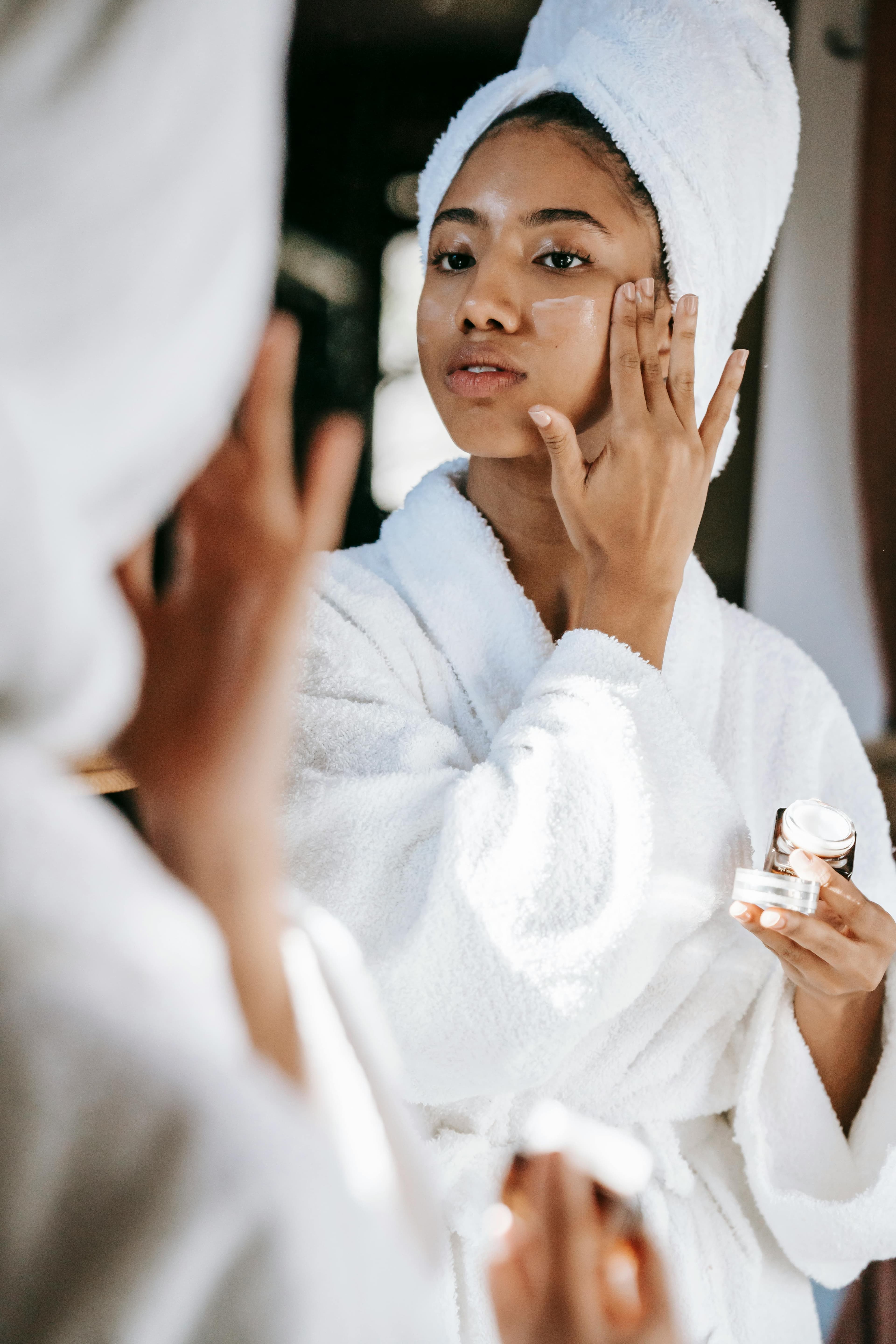
Let's clear something up first, because I think it trips a lot of people. Glass skin isn't a product you buy. It's not a serum, not a single magic toner, not a 14-step ritual you do at 11 PM while your tea goes cold. It's just skin that's so hydrated and smooth that light kind of bounces off it instead of getting eaten by dry patches and texture.
That's it. That's the whole thing.
The name comes from Korean beauty — yuri pibu, literally "glass skin" — and what people are actually describing is a complexion that looks plump, even, and a little bit wet, like the inside of a peach. Some of it is genetics, sure. Some of it is good lighting and a flattering camera. But a real chunk of it? It's just consistent hydration and not wrecking your barrier. Anyone can get most of the way there. You don't need Korean genes or a $400 stash.
I've been doing this long enough to have wasted money on the wrong things, so let me save you some of that.
What's actually happening when skin looks like glass
Three things, mostly.
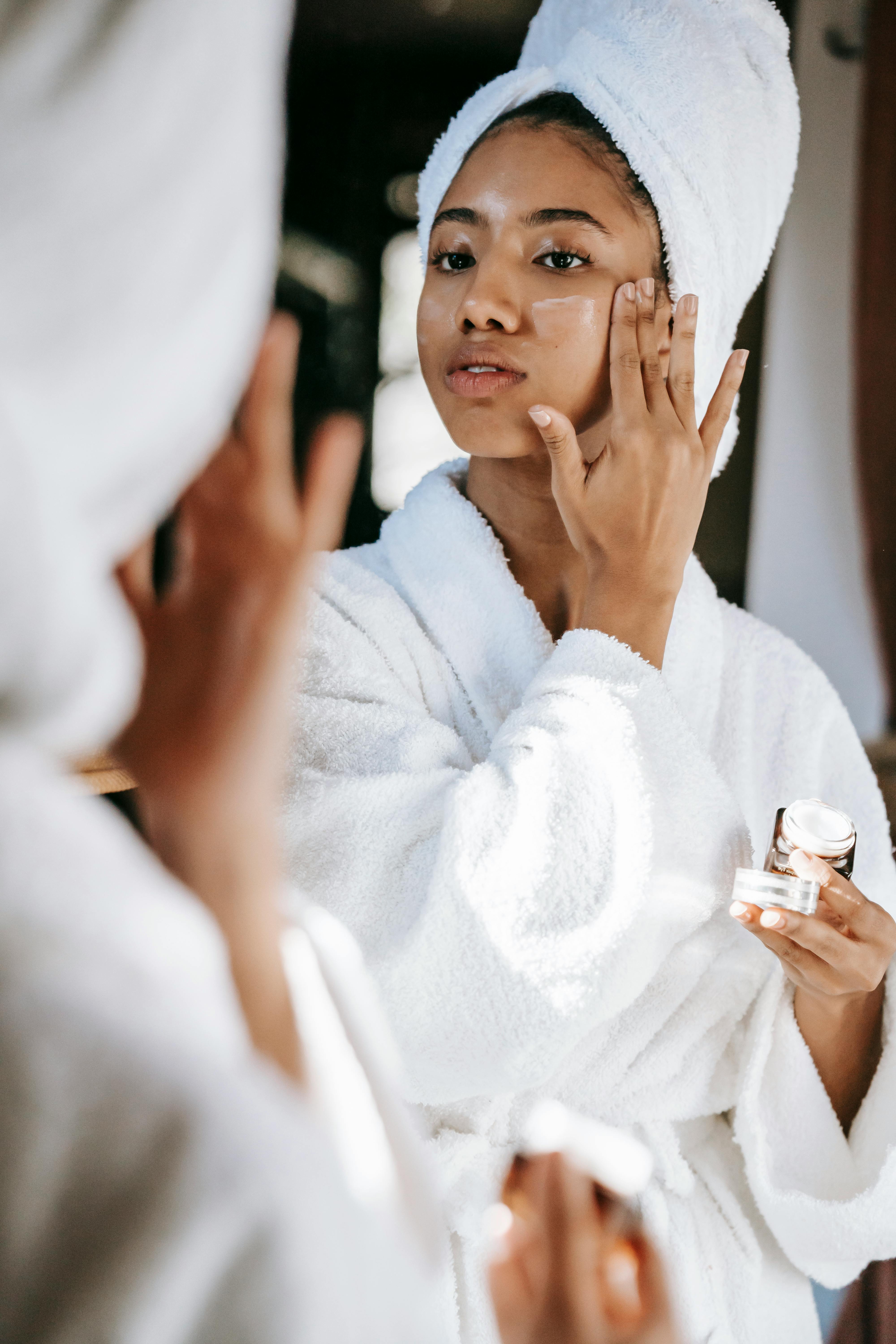
Your skin is well hydrated, so the cells are plump and the surface is smooth. Your barrier — that outer layer of skin cells and the lipids holding them together — is intact, so water isn't escaping and irritants aren't getting in. And there's no buildup of dead, dull cells on top scattering the light. Smooth, hydrated, calm. When all three line up, you get that glow.
Notice what's not on that list. There's no "brightening" in the sense of bleaching your skin lighter. No 30% acid peel. No magic. Glass skin is the cumulative payoff of doing boring things correctly for a few weeks, which is annoying to hear but true.
So the routine below isn't built around one hero product. It's built around hydration and protection, with everything else as a supporting cast. If you only have the budget or patience for half of it, do the cleanser, the hydrating layer, the moisturizer, and the sunscreen. The rest is a bonus.
The beginner morning routine
Mornings should be fast. If your routine takes 20 minutes before coffee, you'll quit by week two — I've watched it happen to friends.
Cleanse (or just rinse). Here's a controversial-ish opinion: if you have dry or normal skin, you don't always need a foaming cleanser in the morning. Splash with lukewarm water, pat dry, move on. If you're oily or you wake up with a slick T-zone, then yes, use a gentle low-pH cleanser. The COSRX Low pH Good Morning Gel Cleanser is the obvious pick here — it's cheap, gentle, and doesn't leave your face squeaky and tight. Squeaky is bad. Squeaky means you stripped your barrier, which is the opposite of what we want.
Hydrating toner. This is the step that does the heavy lifting for glass skin, so don't skip it. We're not talking about the astringent toners from the 90s that smelled like a hospital. Korean hydrating toners are watery, sometimes a little slippery, and you press them in with your hands. A few good ones for beginners:
- Anua Heartleaf 77% Soothing Toner — calming, good if your skin runs red or reactive.
- Isntree Hyaluronic Acid Toner — straightforward hydration, plays nice with everything.
- Round Lab 1025 Dokdo Toner — gentle, lightly exfoliating over time, a cult favorite for a reason.
- Klairs Supple Preparation Toner — the gateway K-beauty toner, soft and unfussy.
Pour a bit into your palm, press it onto damp skin, and pat until it sinks in. Want to go full Korean? Do the "7-skin method" on a dry day — layer the toner three or four (or seven) times, patting between each. Your skin drinks it up. It sounds excessive. It works.
Essence or a hydrating serum. Optional for a true beginner, but this is where the glow really kicks in. The famous one is COSRX Advanced Snail 96 Mucin Power Essence — yes, it's snail filtrate, no, it's not slimy in a gross way, and it leaves skin tacky-plump in a way that's weirdly addictive. If snail isn't your thing, Torriden Dive-In Low Molecular Hyaluronic Acid Serum is a clean, lightweight alternative that's all hydration, no drama.
Niacinamide (a few mornings a week). Niacinamide is the closest thing to a do-everything ingredient for glass skin — it supports the barrier, helps with oil balance, and evens out tone over time. It's gentle enough that most people tolerate it well. Numbuzin No.3 Skin Brightening Serum is a popular pick that pairs niacinamide with other brightening ingredients. You don't need a separate high-percentage niacinamide if your essence or toner already has some; check your labels before you start stacking.
Moisturizer. Seal everything in. For glass skin you want something that holds water on the surface without sitting greasy. Laneige Water Bank Blue Hyaluronic Cream (there's a version for combination skin and one for dry) is a lovely gel-cream that absorbs fast and leaves a dewy finish. On a budget? The COSRX or Illiyoon route works too — anything with glycerin, hyaluronic acid, or ceramides and not a ton of fragrance.
Sunscreen. Non-negotiable. The whole routine collapses without it. I will die on this hill. You can hydrate and exfoliate and serum yourself into oblivion, but if you skip SPF, UV damage will dull your skin, break down collagen, and undo all of it. The good news is Korean and Japanese sunscreens are genuinely a joy to wear — no thick paste, no white cast, no greasy film. Beauty of Joseon Relief Sun: Rice + Probiotics is the one everyone recommends to beginners, and for once the hype is right. It feels like a lightweight serum and gives skin a healthy sheen. Use about two fingers' worth for your face and neck, and reapply if you're out in the sun for hours.
The evening routine
Nights are where you repair, so this is where you can slow down a little.
Double cleanse. This is the one Korean step that genuinely changed my skin. If you wore sunscreen or makeup — and you wore sunscreen, right? — water and a face wash alone won't get it all off. So you cleanse twice.
First an oil-based cleanser on dry skin, massaged in to melt off SPF, makeup, and the day's grime. Banila Co Clean It Zero (the classic balm) or a simple oil cleanser both work great. Rinse with lukewarm water. Then your gentle water-based cleanser — the same COSRX low-pH one from the morning is fine — to clean the skin underneath. That's it. Two steps, not ten. People hear "double cleanse" and panic, but it's literally just remover, then wash.
Skip the double cleanse on days you didn't wear SPF or makeup. No sunscreen, no double cleanse needed — a single gentle wash does the job.
Toner, essence, the hydrating layers. Same as the morning. Press in your toner, then your essence or hydrating serum. At night your skin is in repair mode, so this is prime time to feed it moisture.
Treatment, if your skin wants it. This is where you'd put a niacinamide serum if you're not using it in the morning, or a centella product if your skin is irritated. Skin1004 Madagascar Centella Asiatica has a whole line — the ampoule and the toning toner are both gentle, soothing picks for calming redness. Don't go piling on five actives. One treatment at night, max, when you're starting out.
Moisturizer, heavier than morning if you like. Same idea as the day, maybe a slightly richer cream since you're not putting makeup over it. If your skin is dry or it's winter, this is when a ceramide cream earns its keep.
That's the night routine. Notice there's no retinol, no vitamin C, no acid in the beginner version. You can add those later, one at a time, once your barrier is happy. Start simple. Glass skin is a hydration project before it's an actives project.
Exfoliation — the part beginners get wrong
Here's where I see people torch their skin. Dead-cell buildup makes skin look dull, so logically you'd think more exfoliation = more glow, right? So they buy a strong acid and use it every night and three weeks later they're red, stinging, and flaky, wondering why their "glass skin routine" made everything worse.
Over-exfoliation is the number one barrier-killer. Please don't.
For glass skin you want gentle exfoliation, and not very often. Once a week is plenty when you're starting. Twice if your skin is oily and tolerates it well. A mild BHA or AHA — something like a beginner-friendly liquid exfoliant — is better than a gritty scrub, because physical scrubs cause micro-tears and uneven results. A lot of K-beauty toners (the Round Lab Dokdo, for instance) include a tiny bit of gentle acid, which for some people is genuinely all the exfoliation they need.
The signs you've overdone it: tightness, stinging when you apply hydrating products, sudden shininess that's actually inflammation, little flaky patches. If you see those, stop all exfoliation, drop the actives, and just hydrate and moisturize until your skin calms down. Centella and snail mucin help here. So does leaving your face alone, which is harder than it sounds.
A sample week, so it's not abstract
Because "do all this consistently" is easy to say and harder to picture, here's roughly what a beginner week looks like:
Every morning: rinse or gentle cleanse, hydrating toner, moisturizer, sunscreen. Niacinamide a few of those mornings.
Every night: double cleanse (on SPF/makeup days), toner, essence, moisturizer.
Once a week: swap one night's essence step for a gentle exfoliant. Maybe throw on a hydrating sheet mask afterward if you're feeling fancy.
That's the whole thing. Five-ish steps in the morning, five-ish at night, one exfoliation a week. It looks like more written out than it feels in practice — the hydrating steps take seconds.
The unglamorous stuff that actually matters
I could sell you another serum here, but the honest truth is that the boring lifestyle things move the needle as much as half your shelf.
Sleep shows up on your face fast — a bad week of four-hour nights and my skin looks gray no matter what I put on it. Water helps, though not in the "drink eight glasses and glow" way the internet promises; being properly hydrated just means your skin isn't fighting an uphill battle. And the big one nobody wants to hear: a hot, long shower steam-strips your face. Wash your face with lukewarm water, not hot. Your barrier will thank you.
None of this is exciting. All of it works.
What to expect, and when
Manage your expectations and you'll actually stick with it. The first week or two, your skin will mostly just feel better — softer, less tight, more comfortable. You probably won't see a dramatic difference in the mirror yet, and that's normal. Real change in tone, smoothness, and that lit-from-within look tends to show up around the four-to-six week mark, because that's roughly how long your skin takes to cycle through and respond.
So don't bail in week one because you're not glowing yet. The people with incredible skin aren't doing anything secret — they've just been doing the simple stuff for months without quitting.
If you only remember one thing
Glass skin is hydration plus a healthy barrier plus sun protection, done consistently. Everything else is optional polish.
Start with a gentle cleanser, a hydrating toner, a good moisturizer, and a sunscreen you genuinely like wearing — that Beauty of Joseon Relief Sun is a fine place to begin. Add the COSRX Snail essence or a niacinamide serum when you're ready. Exfoliate gently, once a week, no more. Then give it time.
That's not a glamorous answer. But you asked how to get glass skin, and that's actually how. The shortcut is that there isn't one — just decent products and the patience to use them.
If you want to go deeper on any single step, I've got full breakdowns on individual products around the blog — the Illiyoon Ceramide Ato cream review is a good next read if your skin needs serious barrier help before you chase the glow.