Skincare for Gamers: A Routine That Survives a 6-Hour Session
My worst skin month last year? The two weeks I no-lifed a new RPG. I'm not proud. I'd surface around 2 a.m., catch my reflection in the bathroom mirror, and think — who is this dehydrated raisin and why is she wearing my hoodie.
So this isn't me lecturing you about "self-care." I sit at a screen for a living and for fun, my AC runs basically year-round, and I forget to drink water until my mouth tastes like a keyboard. Same boat. The difference is I've figured out what's actually doing damage during long sessions versus what's just internet panic, and I've got a routine that takes about four minutes and survives even my laziest days.
Let's get the myth out of the way first, because it's the thing everyone asks me about.
The blue light thing — can we be honest?
You've seen the ads. "Screen light is aging your skin! Buy this special serum!" And look, I sell K-beauty for a living, so trust me when I say this against my own interests: the blue light from your monitor is not the boss fight you've been told it is.
Here's the actual situation. Sunlight contains blue light too — way, way more of it than your screen ever will. The research showing skin damage from "blue light" mostly uses doses far higher than what your monitor pumps out over a normal day. A few small studies suggest screen-level visible light might nudge pigmentation in very deep skin tones over time, but it's nowhere near the danger UV is. Your phone six inches from your face for ten hours still doesn't come close to standing outside at noon.
So no, you don't need a panic-priced "anti-blue-light" serum. If you want to do one genuinely useful thing for screen-adjacent skin, it's not about the screen at all. It's about the window behind you. More on that in a sec.
What's actually beating up your skin at the desk
Okay, real talk. Here's what a long session does, ranked roughly by how much it matters.
The air. This is the big one and nobody talks about it. AC, heating, a hard-running PC dumping warm dry air at your face — all of it pulls moisture out of your skin. You don't feel it happening. You just notice at hour five that your skin feels tight, your foundation (if you wear it) has gone cakey, and there's a weird flaky patch by your nose. That's dehydration, not "oily" or "dry skin type." Even oily skin gets dehydrated. They're different things, which took me embarrassingly long to learn.
The window. Remember I said the light that matters isn't the monitor? UVA passes straight through regular glass. If your setup is near a window — and a lot of gaming/desk setups are, because we like natural light for the non-screen parts of life — you're getting a slow, steady dose of the rays that cause aging and pigmentation. Not sunburn rays. The sneaky long-term ones. This is the single most skipped step for anyone who's indoors all day and assumes "I'm inside, I'm fine."
The sleep. I'm not going to pretend you're going to bed at 10. I'm not either. But it's worth knowing that most of your skin's repair work happens overnight, and chronically short sleep shows up as dullness, undereye situations, and slower healing of any breakout you've got going. The fix isn't "sleep more" (helpful, Glow, thanks). It's mostly about not skipping your night routine even when you crawl into bed at 3 — and giving your skin something to work with while it does its thing.
The snack-and-forget-water cycle. Energy drinks, chips, that third coffee, zero actual water. I'm not your mom and I'm not going to tell you sugar gives you acne (the evidence there is shakier than people claim). But dehydration is real, and a body that's running on caffeine and salt is going to show it on your face. Keep water at the desk. That's the whole tip.
Notice what's NOT on this list? The screen glow itself. Funnel your worry toward the air and the window instead.
The routine — built for low effort, because I have no discipline
Here's the thing about routines that "experts" recommend: they have like nine steps and you'll do them for three days and quit. I've tried. The routine you actually keep is the one short enough to do half-asleep. So that's what this is.
Morning (before you sit down) — 3 to 4 minutes
Three things. That's it.
Cleanse, gently. If you have dry or normal skin, honestly just splash with water in the morning — you don't need to strip your face first thing. If you're oily, a low-pH gentle cleanser is plenty. Don't use anything that leaves your skin squeaky. Squeaky means you stripped your barrier, and a stripped barrier dehydrates faster, which is the exact opposite of what we want before a long session.
Hydrate. This is where Korean skincare actually shines, because the whole philosophy is layering watery hydration instead of one heavy cream. Torriden Dive-In (the low-molecular hyaluronic acid serum) is my desk staple — it's light, it sinks in fast, and it gives your skin a water reserve to pull from while the AC tries to steal it back. If your skin runs sensitive or red, Anua Heartleaf 77 Toner is a gentler, soothing alternative you can pat on first. For straight-up barrier repair when my skin's been wrecked, I reach for COSRX Advanced Snail 96 Mucin Power Essence — snail mucin sounds gross, works great, and it's the one product I tell everyone to try.
Sunscreen — yes, even indoors near a window. This is the step that does more than any fancy serum. Beauty of Joseon Relief Sun is the one I recommend more than anything else I own: it's a chemical sunscreen that feels like a light moisturizer, no white cast, no greasy gamer-forehead shine. If you're nowhere near a window and genuinely don't go outside on a given day, you can skip it. But if there's daylight hitting your setup, put it on. Future-you with even skin tone will be grateful.
That's morning. Cleanse, one hydrating layer, sunscreen. Four minutes if you're slow.
Mid-session — the 15-second desk reset
This is my favorite part because it requires almost nothing.
Keep a facial mist within arm's reach of your keyboard. Between rounds, during a loading screen, while you're waiting for teammates who are "one sec, AFK" (they are not one sec) — close your eyes, spritz, and press it gently into your skin with your palms. Don't let it air-dry, because evaporating water actually pulls more moisture out. Press it in. That's the trick most people get wrong.
It won't deep-hydrate your skin — mist is mostly a comfort thing — but it breaks up the dry, tight, hour-four feeling, and honestly the cold spritz wakes me up better than my fourth coffee. If your skin's truly parched, mist and then pat a tiny bit more of that hydrating serum on top to seal it.
Two more desk things while we're here. If you wear glasses or a headset for hours, the spots where they press can get irritated or break out — wipe those contact points down now and then. And if a breakout does pop up mid-week, this is what COSRX Acne Pimple Master Patch was made for. Slap a hydrocolloid patch on it, leave it overnight, and it flattens the thing while keeping you from picking at it during a tense ranked match. You will want to pick. Don't.
Night — even at 3 a.m., do not skip this
I know. You're exhausted, your eyes hurt, bed is right there. But this is when your skin does its repair shift, and going to bed with a day's worth of sunscreen and grime on your face is the actual skin-killer — not the screen.
Bare minimum on a brutal night: cleanse (if you wore sunscreen, you genuinely need to wash it off — a quick second cleanse with a foaming or gel cleanser does it), one hydrating layer, then a moisturizer to lock it all in overnight. When my skin's been through it — too many late nights, AC all day, barrier feeling thin — I go straight for Illiyoon Ceramide Ato Concentrate Cream. It's a thick, boring, fragrance-free ceramide cream that just patches your barrier back together while you sleep. I wrote a whole review of it here because I love it that much. On normal nights, anything lightweight with ceramides or hyaluronic acid is fine — you don't need the heavy stuff every day.
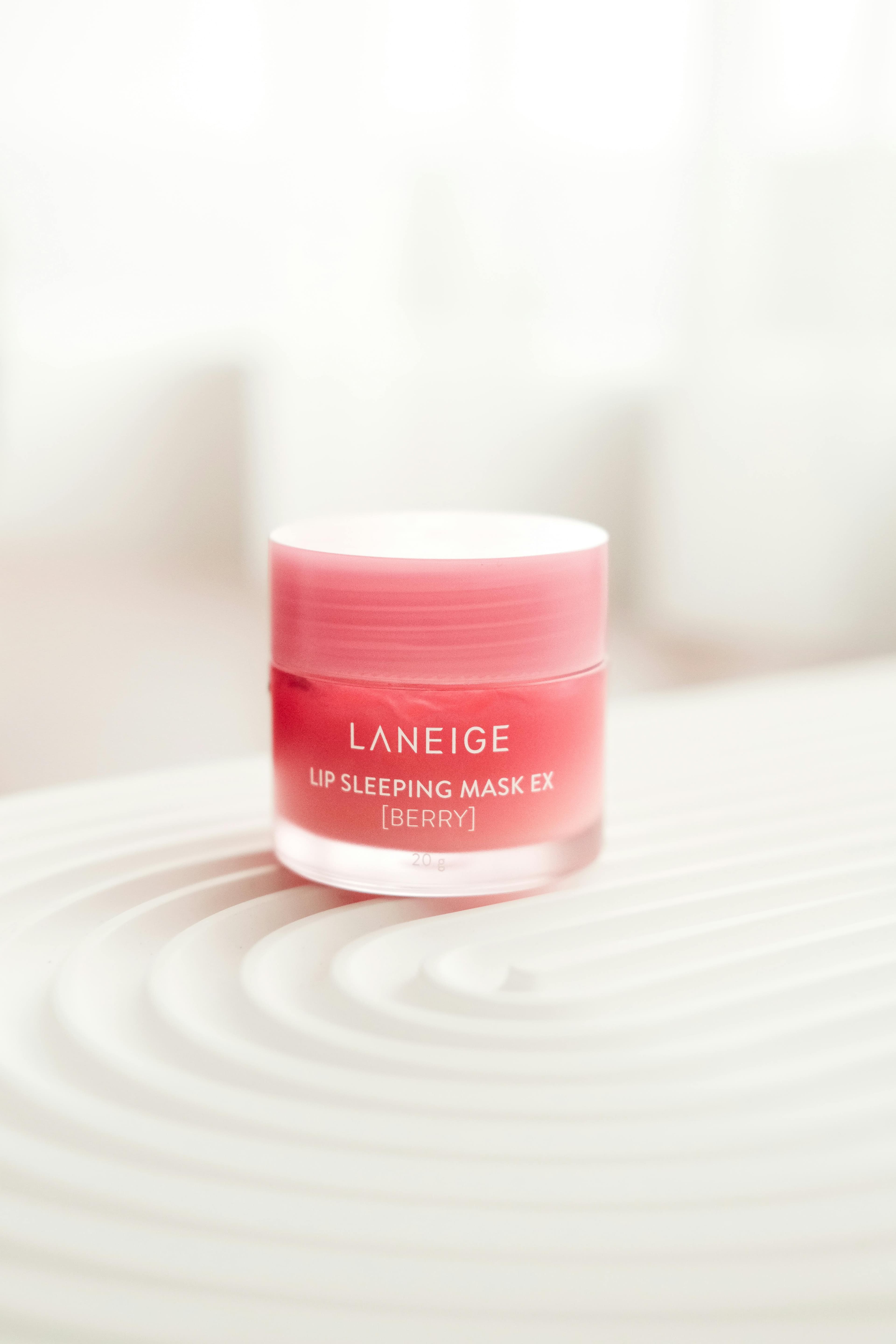
And one tiny thing that punches way above its weight: Laneige Lip Sleeping Mask. Mouth-breathing through an intense session plus dry AC air destroys your lips. This is a thick balm you smear on before bed and wake up with lips that aren't peeling. It's a small jar that lasts forever. Keep one on the nightstand.
A realistic week, not a fantasy one
Let me be honest about how this actually goes, because "do all steps every day" is a lie nobody keeps.
Most days I do the morning three (cleanse-hydrate-sunscreen) and the night three (cleanse-hydrate-moisturize). The mid-session mist happens when I remember it, which is maybe half the time. Some nights I'm so fried I just micellar-wipe the sunscreen off, pat on serum, and pass out — and that's still a win, because I didn't sleep in a face full of product.
The pimple patches and the lip mask are "when needed," not daily. The snail essence and the ceramide cream come out when my skin's clearly struggling, not as a permanent fixture.
That's the whole point. A routine you do at 70% forever beats a perfect routine you quit in a week. Skincare is a long grind, not a speedrun — consistency is the stat that actually levels up.
Where to actually start
If you read all that and your eyes glazed over, here's the truth: pick two things.
One, sunscreen if there's daylight on your setup. Two, a hydrating serum to fight the dry-air drain. Beauty of Joseon Relief Sun and Torriden Dive-In, if you want exact names. Do just those for a month and you'll already see a difference — less tightness by the end of a session, more even tone over time.
Then add the night cleanse-and-moisturize when it stops feeling like effort. Then the rest, whenever.
Your K/D won't improve. I make no promises there. But you'll stop scaring yourself in the bathroom mirror at 2 a.m., and that's worth more than it sounds.