Dry Skin Routine That Actually Works (Korean Hydration Guide)
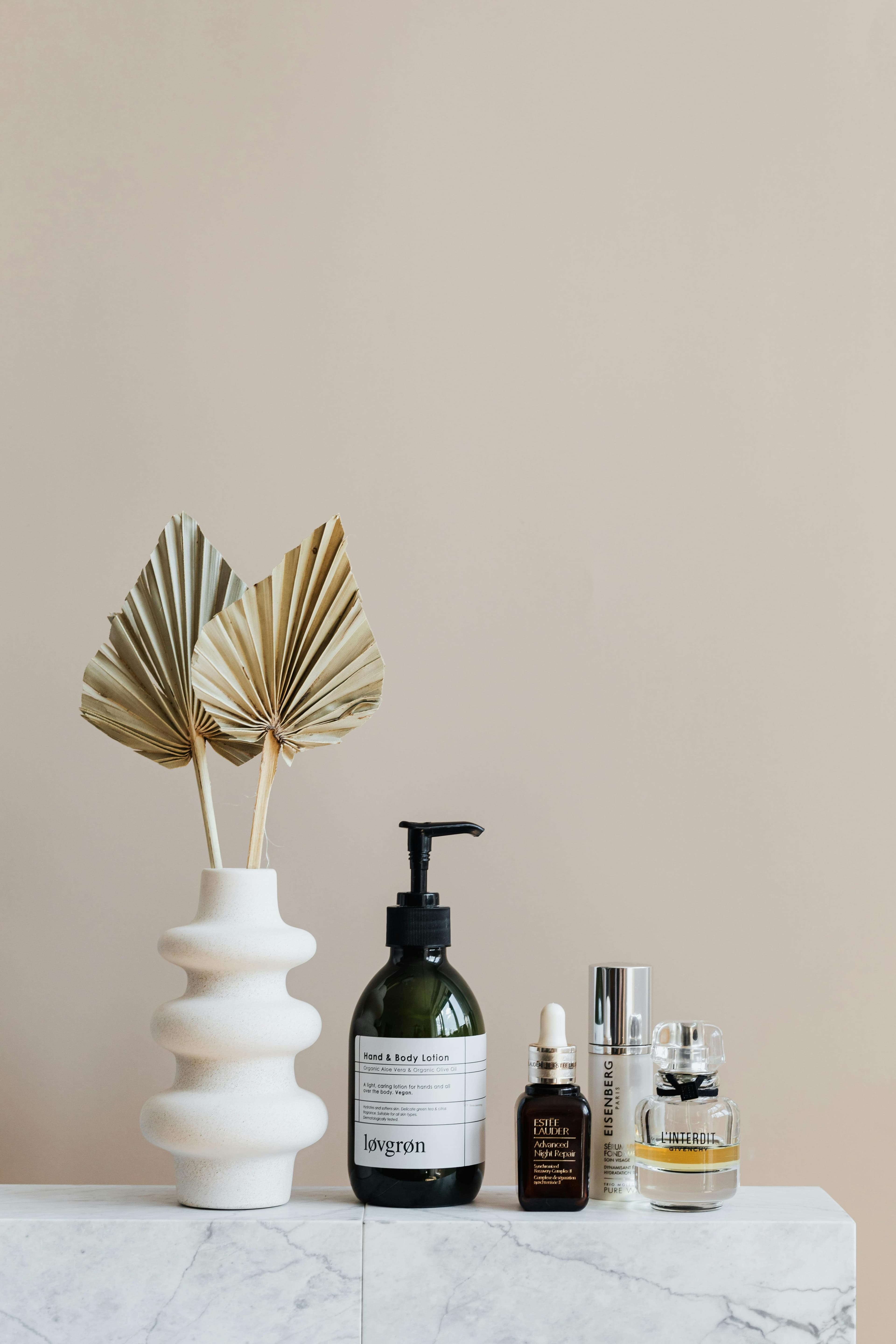
For years I thought my skin was dry. Turns out it was dehydrated, which is a completely different problem, and treating the wrong one is why nothing worked for so long. I was piling on heavy creams when what my skin actually wanted was water it could hold onto. Different fix entirely.
So before any routine, let's sort out which one you have. It matters more than people think.
Dry vs. dehydrated — and why you keep getting this wrong
Dry skin is a skin type. It's something you're born with, more or less. Your skin doesn't make enough oil (sebum), so it tends to feel rough, look a little flat, maybe flake in the cold months. It's a lipid problem. Not enough fat in the barrier.
Dehydrated skin is a condition. Anyone can have it — oily people, combination people, you in August after a sunburn. It's a water problem. Your skin is short on moisture, so it feels tight, looks dull, and weirdly can get more oily as it overcompensates. Yes, you can be oily and dehydrated at the same time. Maddening, I know.
How do you tell? Pinch a little skin on your cheek. If it crinkles into fine lines instead of bouncing back smooth, that's dehydration. If your skin is flaky and tight basically all the time regardless of weather, that's leaning dry. Most of us are some messy combination of both, which is honestly fine, because the routine overlaps a lot. The difference shows up in emphasis — dry skin needs more oils and occlusives, dehydrated skin needs more humectants and water.
Either way, the thing holding it all together is your barrier.
The barrier, explained without the diagram
Your skin's outer layer is basically a brick wall. The bricks are skin cells, and the mortar between them is a mix of ceramides, cholesterol, and fatty acids. When that mortar is intact, water stays in and irritants stay out. When it's damaged — from over-washing, harsh actives, cold wind, too many "glow" products — the mortar crumbles. Water evaporates straight out (the science term is transepidermal water loss, TEWL, if you want to sound fancy on Reddit). Stinging, redness, flaking, that tight feeling after you wash. All barrier stuff.
Here's the part most people miss: you cannot out-moisturize a broken barrier. You can layer six products and still feel tight by noon, because the water just leaves. Fix the wall first. Then the hydration actually has somewhere to live.
Repairing a barrier means two things — stop wrecking it, and feed it the lipids it's missing. Ceramides especially. That's why so much of Korean skincare for dry skin leans on ceramide creams. The Illiyoon Ceramide Ato Concentrate Cream is the one I reach for when my skin is genuinely struggling — it's a body cream technically, but half of us put it on our faces in winter because it works and it's cheap.
The one trick that changed everything: damp skin
If you take nothing else from this, take this. Apply your hydrating layers to damp skin.
Humectants — hyaluronic acid, glycerin, that whole family — pull water toward themselves. That's their job. If your skin is bone dry when you apply them, and the air around you is dry too (winter, AC, a plane), they'll pull water out of the deeper layers of your own skin to satisfy themselves. Which is the opposite of what you want. Give them water to grab onto. Apply toner and essence while your face is still a little wet from cleansing, before it fully dries.
Then you seal. After the watery layers, you need something heavier to trap all that moisture in — a cream, and if you're really dry, an occlusive on top. Occlusives are the lid on the pot. Squalane, shea butter, petrolatum-type ingredients, even a slug of Vaseline on the worst nights (yes, "slugging," it's a real thing and it works). Water in, lid on. That's the whole game.
Light to heavy, always. Watery stuff first, oily stuff last. You can't push a cream "through" an oil, so order matters.
The morning routine
Mornings should be fast. You're protecting, not repairing — save the repair for night.
Rinse, don't scrub. In the AM I just splash lukewarm water on my face. No cleanser at all most days. Your skin spent all night repairing itself; you don't need to strip that off at 7am. If you feel you must use something, use a gentle low-pH one (more on cleansers below) and keep it quick.
Hydrating toner on damp skin. Pat it in with your hands — don't rub, don't use a cotton pad, that's just dragging moisture off. I rotate between the Round Lab 1025 Dokdo Toner and the Isntree Hyaluronic Acid Toner. The Round Lab one is the gentlest thing I own and it's basically idiot-proof. Pat, wait a few seconds, move on.
An essence or serum for water. Torriden Dive-In Serum is a low-molecular hyaluronic acid serum that sinks in fast and doesn't pill, which matters under sunscreen. The COSRX Advanced Snail 96 Mucin Power Essence is the other one I keep around — snail mucin is great for dry, slightly irritated skin, weirdly bouncy texture you'll either love or find gross. Still damp from the toner when you apply.
Moisturizer to seal. Something with ceramides. The Aestura Atobarrier365 Cream is a derm-pharmacy favorite in Korea and very good. Etude SoonJung 2x Barrier Intensive Cream is lighter if your skin runs combination. In summer I go lighter; in winter I go thicker. Read the room.
Sunscreen. Every day. No exceptions. UV damages the barrier, full stop, and a wrecked barrier holds water badly — so skipping sunscreen quietly makes dry skin worse. Use a Korean chemical one that feels nice so you'll actually wear it. Beauty of Joseon Relief Sun is the eternal recommendation for a reason; it's hydrating and doesn't leave a white cast. Apply more than you think — about two finger-lengths for the face.
That's it. Five steps, three if you're lazy (toner, cream, sunscreen). Done.
The evening routine
Night is where the work happens. This is when I actually slow down.
Oil cleanse, if you wore sunscreen or makeup. An oil or balm cleanser dissolves all of that without you having to scrub. Massage it onto dry skin, then add a little water to emulsify, then rinse. Skip this step if you wore nothing on your face all day — no point.
A gentle second cleanse. This is the one people get wrong, so I'm putting the cleanser rules right here.
Avoid high-pH foaming cleansers — the squeaky-clean bar-soap kind. "Squeaky clean" means you stripped your barrier. Your skin's natural pH is around 5, slightly acidic, and harsh foaming cleansers run alkaline, which swells and damages the barrier and leaves you tight. That tight feeling isn't clean, it's damage. The Etude SoonJung pH 5.5 Relief Cleanser is a low-pH gel that actually cleans without that stripped feeling. The Anua Heartleaf 77% Cleansing Oil is lovely if you want one product to do both cleanse jobs. Lukewarm water only — and I mean it about the temperature.
Hot water feels incredible on a cold night. It also melts the lipids in your barrier and dries you out. Same with long hot showers. Keep your face washing to lukewarm, and if you can stand it, dial the shower down too. Your skin will thank you, even if your shower experience suffers a little.
Toner, damp skin, pat it in. Same as morning.
Hydrating serum. Night is a good time for the snail mucin essence, or stack it — toner, then Torriden, then a second pass of essence. Layer the watery stuff while everything's still tacky.
A treatment, carefully. If you use actives — retinol, exfoliating acids — dry and dehydrated skin needs them spaced out. This is where over-exfoliation ruins people. The glowy promise of acids is real, but doing a BHA Monday, an AHA Wednesday, retinol every night, plus a scrub on Sunday? That's how you end up with a stinging, flaky, red mess and a destroyed barrier. Pick one active. Use it two, maybe three nights a week. On the off nights, just hydrate and repair. If your skin is already irritated, drop actives entirely until it calms down — no exceptions, I don't care what's in your cart.
Night cream, heavier than your day one. This is where the Illiyoon or the Aestura earns its keep. Generous layer. Don't be stingy.
Seal it, if you're very dry. On rough winter nights I add the Laneige Water Sleeping Mask as the last step — it's not really a "mask," more a gel cream you leave on overnight, and it's genuinely good at keeping skin plump till morning. When my barrier is truly trashed, I'll do a thin layer of plain petroleum jelly on the driest patches instead. Looks ridiculous, works like nothing else.
What to stop doing right now
A short list, because the don'ts matter as much as the dos:
Stop using foaming, high-pH cleansers if your skin feels tight afterward. That tightness is the tell.
Stop washing your face with hot water. Lukewarm. I know.
Stop over-exfoliating. Once or twice a week is plenty for most dry skin, and some weeks you should skip it entirely. If you're flaking, the answer is almost never "exfoliate more" — flaking from dehydration looks like dryness but exfoliating it just shreds your barrier further.
Stop chasing every new product. A dry, irritated barrier wants boring and consistent, not a new 11-step lineup every week. Honestly, when my skin freaks out, I cut down to three products until it's happy again.
Stop applying everything to dry skin and wondering why it's not working. Damp. Please.
Weekly extras (genuinely optional)
A hydrating sheet mask once or twice a week is nice but not essential — it's basically a big dose of toner trapped against your skin for 15 minutes. The Mediheal and the Torriden ones are easy to find. Don't leave them on till they dry out, though; once the sheet starts drying it'll pull moisture back off your skin. Fifteen minutes, then take it off and pat in the leftovers.
And a humidifier in your bedroom, if you live somewhere dry or run heating all winter. This isn't skincare exactly, but dry indoor air pulls water out of your skin all night, and a cheap humidifier does more for my winter skin than half the products I own. Unglamorous. Effective.
What to actually expect
Be honest with yourself about timelines. A damaged barrier takes a couple of weeks to start feeling normal again, and longer to fully rebuild — skin cells turn over on roughly a monthly cycle, so real change is a few weeks out, not a few days. The first thing you'll notice is that your skin stops feeling tight after washing. That's the barrier starting to hold water again. Flaking calms down next. The plumper, less-dull look comes later, once the hydration has somewhere to stay.
The boring truth is that consistency beats intensity every single time. A simple routine you actually do every day will outperform an elaborate one you do half the time. Pick your cleanser, your toner, your serum, your cream, your sunscreen. Apply to damp skin. Keep the water lukewarm. Go easy on the actives. Repeat.
That's the whole thing. My skin took years to figure out, and it came down to maybe six rules and about five products. Start there.