
Affiliate Disclosure: Corea Skincare participates in various affiliate marketing programs, which means we may earn commissions on purchases made through our links to retailer sites. As an Amazon Associate, we earn from qualifying purchases. These commissions help us maintain our site and continue providing valuable content to our readers at no additional cost to you. We only recommend products we believe will benefit our community.
I bought the Illiyoon Ceramide Ato Concentrate Cream because my hands were cracking open every winter. Not cute little dry patches — actual fissures that bled when I bent my fingers. My dermatologist suggested "something with ceramides" and sent me on my way, so I started Googling at 2 AM like you do when your skin hurts.
Medical Disclaimer: The information provided in this article is for educational and informational purposes only and is not intended as medical advice. Everyone's skin is unique, and what works for one person may not work for another. If you have specific skin concerns, underlying health conditions, or are experiencing persistent skin issues, please consult with a licensed dermatologist or healthcare professional before starting any new skincare routine. This content does not constitute a diagnosis or treatment recommendation.
That's how I found this cream. It kept showing up in Reddit threads about eczema, barrier repair, and "my skin is screaming for help." The reviews were weirdly consistent — people either said it saved their skin or they'd never heard of it. There wasn't much middle ground.
Three tubes later, I get it.
The Short Answer
Yes — this is the best $15 barrier cream I've found, and I'm on my third tube. 4.7 out of 5.
| Verdict | 4.7 / 5 — unglamorous, cheap, and it works |
| Best for | Dry or compromised skin, stinging after acids, eczema-prone hands, anyone CeraVe didn't fix |
| Skip if | You dislike thick creams, you're acne-prone and react to occlusives, or you want a cream that does something visible |
| What changed | My hands stopped cracking, my face stopped stinging after actives, and I could use retinol again without flaking |
| What it won't do | Cure eczema, smooth wrinkles, or give you glass skin. It has no glow and no "wow" moment |
| Price | Around $15 |
The question most people arrive with — is it actually worth buying over CeraVe? If CeraVe already works for you, stay put. This is the one to try when CeraVe hasn't worked: it's more occlusive and more ceramide-forward, and it's the cream I reach for when my barrier is genuinely broken rather than just dry.
The honest catch is texture. It's thick, it looks like prescription ointment, and it feels greasy until it sinks in. If that's a dealbreaker, I've listed lighter alternatives near the end.
What Actually Is This Cream?
Illiyoon is owned by Amorepacific, the massive Korean conglomerate behind Laneige, Sulwhasoo, and about twenty other brands you've heard of. But Illiyoon doesn't get the same Instagram hype. It's sold in Korean pharmacies next to diaper rash cream and band-aids, which tells you what kind of product this is.
The Ceramide Ato Concentrate Cream is their hero product — a thick, no-frills moisturizer designed for atopic dermatitis. "Ato" is short for atopic. They're not being subtle about who this is for.
The tube is blue and white, very clinical, very "I live in a medicine cabinet." It comes in a 200ml size, which is huge for a face cream but standard for a body product. Because that's what this is, technically. A body cream. Except half the people using it put it on their face anyway because it works.
The Ceramide Situation
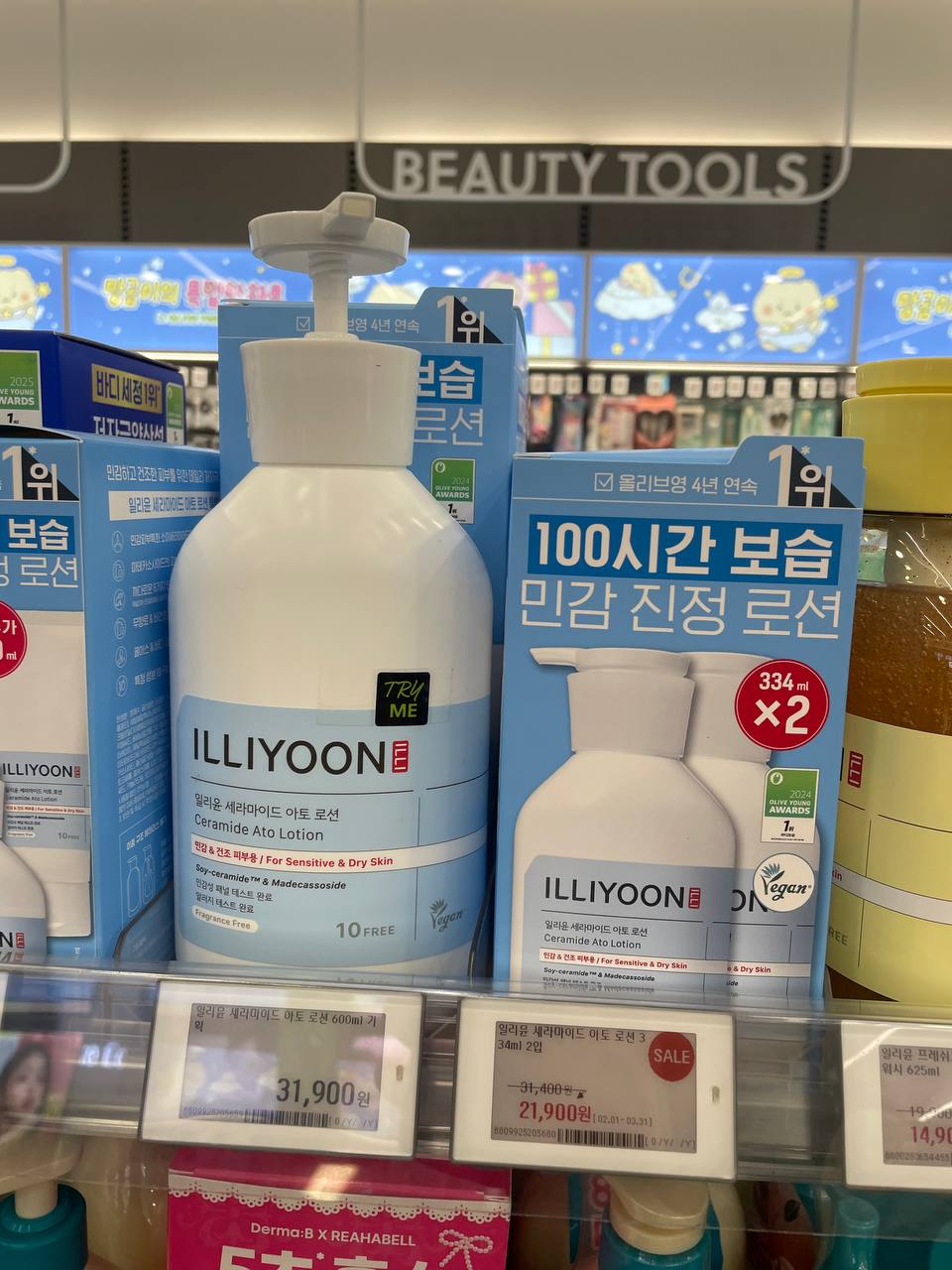
Ceramides are lipids that sit between your skin cells like grout between tiles. When your ceramide levels drop — because of cold weather, over-exfoliation, genetics, whatever — your skin barrier gets leaky. Water escapes. Irritants get in. You end up dry, itchy, and mad about it.
This cream has three types of ceramides (NP, AS, AP) plus panthenol and shea butter. The ingredient list isn't long. There's no niacinamide, no snail mucin, no fancy ferments. Just barrier-repair basics.
The brand calls their ceramide blend "Ceramide Skin Complex," which is marketing speak but also accurate. It's a pre-measured ratio of ceramides that mimics what healthy skin already has. Your skin recognizes it and uses it to patch itself up.
Does it work? My hands stopped cracking in four days. That's not hyperbole — I have dated photos on my phone because I wanted to document it for my derm. The fissures closed, the redness faded, and I could open jars again without wincing.
Texture and Application
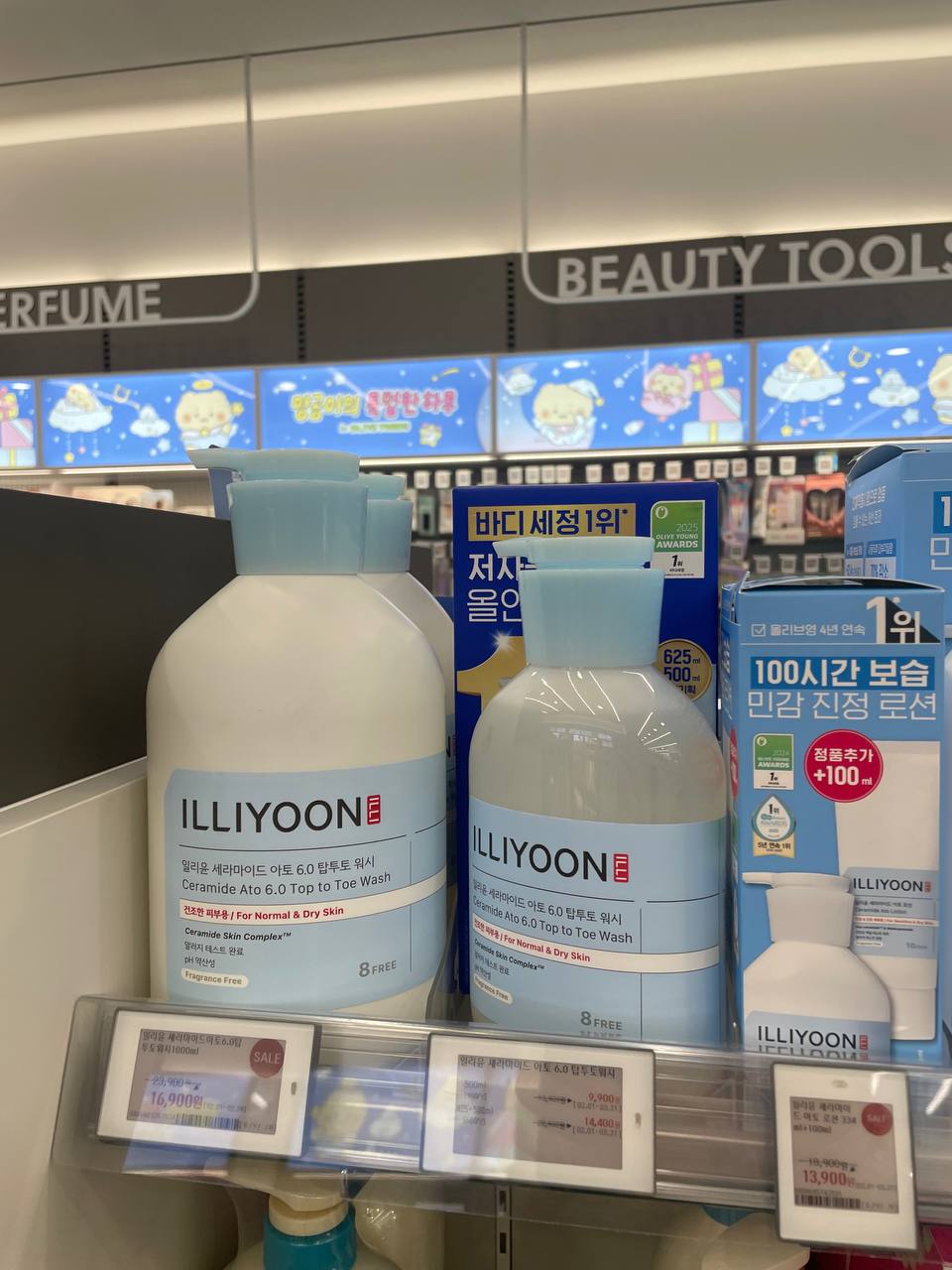
Here's the thing about this cream: it's thick. Not Aquaphor thick, but definitely denser than your average lotion. It comes out white and slightly glossy, almost like Elmer's glue if Elmer's glue felt nice.
When you rub it in, it takes a minute. It doesn't absorb instantly like a gel moisturizer. You have to work it into your skin, especially if you're putting it on your face. But once it settles (maybe 30 seconds of patting), it stops feeling heavy. It just feels like your skin is sealed.
I use it at night because I'm not waiting around for a cream to dry in the morning. I slather it on my face, neck, hands, and any random dry patches, then go to bed. By morning, my skin is soft and calm. Not greasy — the cream absorbs fully overnight — just noticeably better.
Some people use it during the day under makeup. I wouldn't, but I also have oily skin in the summer. If you're dry year-round, you might get away with it. Just give it time to sink in before you put anything else on top.
What It Smells Like (Or Doesn't)
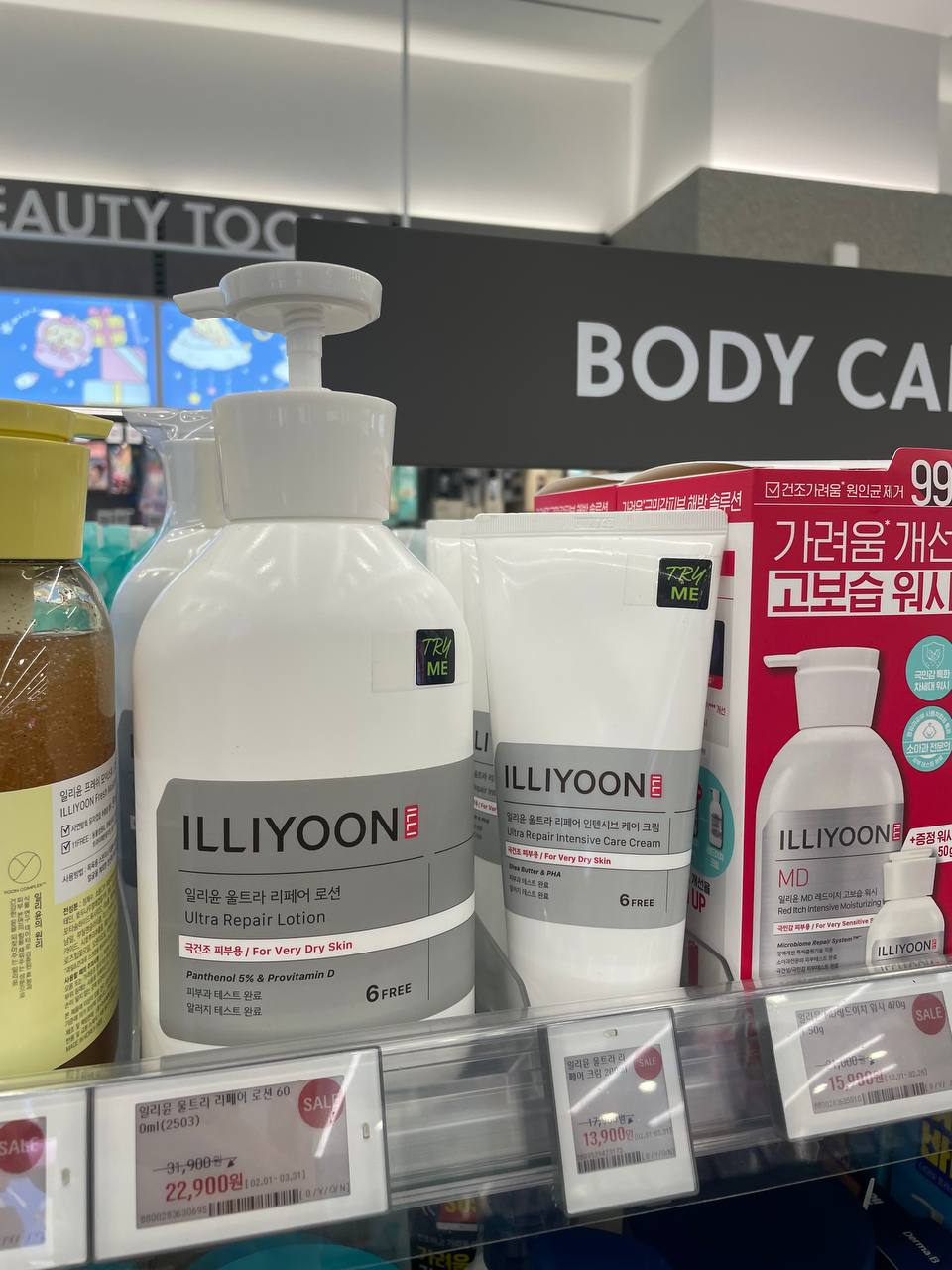
This cream has almost no scent. Maybe a faint plasticky smell if you stick your nose right in the tube, but nothing you'd notice during normal use. No fragrance, no essential oils, no "relaxing lavender" nonsense.
For people with sensitive skin or fragrance allergies, that's huge. A lot of barrier creams throw in some token botanical extract that smells nice but irritates half the people who use it. Illiyoon skipped that entirely.
It's boring. I love boring.
Face vs. Body: Where Should You Use It?
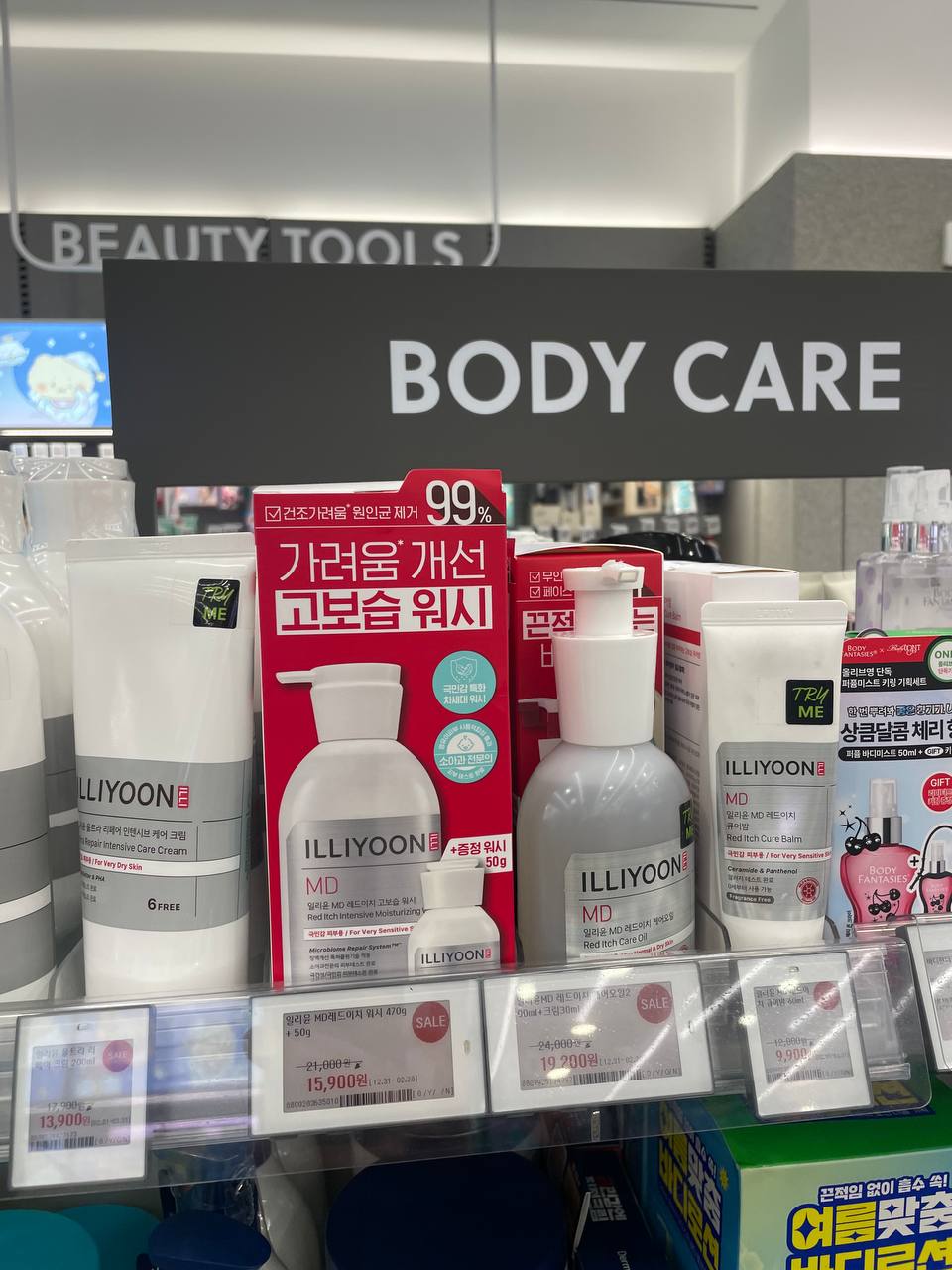
The packaging says body. The internet says face. I say both, but with caveats.
On my face, I use this when my skin is angry — after a peel, during a cold snap, when I've been on a plane for eight hours and my moisture barrier has left the chat. It's too heavy for everyday use in humid weather, but in winter? Or when my skin is red and stinging? Perfect.
I mix it with a lighter moisturizer sometimes (like 70% light cream, 30% Illiyoon) to get the barrier repair without the weight. That works well under sunscreen.
On my body, I use it everywhere. Hands, elbows, knees, feet — anywhere that gets dry and stays dry no matter how much lotion I use. It's especially good on hands because it doesn't rub off immediately. I can wash my hands an hour later and still feel a bit of protection.
One user on Reddit said she puts it on her kid's eczema patches and it's the only thing that stops the scratching. Another person uses it on their tattoos when they're healing. Someone else slathers it on their cuticles. It's weirdly multipurpose for a cream that only does one thing.
Ingredients Breakdown
Let's get specific. Here's what's actually in this cream:
Ceramide NP, Ceramide AS, Ceramide AP — The three ceramides I mentioned earlier. NP is the most common type in skin. AS and AP help with moisture retention and barrier integrity. Together, they do the thing ceramides are supposed to do: fill in the gaps.
Panthenol (Pro-Vitamin B5) — Soothes irritation, helps with wound healing, attracts moisture. Panthenol is one of those ingredients that almost everyone tolerates, which is why it shows up in everything from diaper cream to hair conditioner.
Shea Butter — Occlusive. Sits on top of your skin and slows water loss. Also has some anti-inflammatory properties, though the research on that is less dramatic than shea butter fans want it to be.
Glycerin — Humectant. Pulls water into your skin. Basic, effective, cheap.
Squalane — Lightweight occlusive that mimics your skin's natural oils. Less greasy than petroleum jelly, more protective than nothing.
There's also some cholesterol in here (yes, the same cholesterol you've heard of in a completely different context). Skin needs cholesterol to build a proper barrier. Most moisturizers skip it because it sounds scary to consumers, but it's actually useful.
What's NOT in here: fragrance, essential oils, alcohol, parabens, or anything that's going to make sensitive skin flip out. The formula is clean in the "won't irritate you" sense, not the "fear-mongering marketing" sense.
Who This Cream Is For
If your skin is dry, flaky, itchy, or generally pissed off, this is worth trying. It's especially good for:
- Eczema-prone skin (atopic dermatitis is literally in the name)
- Post-procedure recovery (after peels, laser, retinoid burns)
- Winter dryness that won't quit
- Hand dermatitis from constant washing (healthcare workers, parents, germaphobes)
- Anyone whose moisture barrier has been destroyed by over-exfoliation or harsh actives
It's also fine for normal skin that just needs extra help sometimes. I don't have eczema, but I do have a compromised barrier twice a year, and this fixes it.
Who it's NOT for: people with very oily skin who hate any hint of occlusiveness. If you break out from thick creams or you live somewhere tropical, this might be too much. There are lighter ceramide products (like CeraVe PM or Purito Dermide Sleeping Pack) that do similar things without the weight.
Comparing It to Other Barrier Creams
CeraVe Moisturizing Cream — The obvious Western comparison. Both have ceramides, both are thick, both are recommended by dermatologists. CeraVe has niacinamide and hyaluronic acid, which makes it more of an all-in-one. Illiyoon is more streamlined. I find CeraVe slightly greasier, but some people prefer that. They're close enough that I'd pick based on price and availability.
La Roche-Posay Cicaplast Baume B5 — More soothing, less moisturizing. Cicaplast is what I use on active irritation (like a popped pimple or a scratch). Illiyoon is what I use to prevent irritation or fix dryness. Different jobs.
Zeroid Intensive Cream — Another Korean pharmacy staple with ceramides. Zeroid is lighter and absorbs faster, which some people prefer. I think Illiyoon is more effective for severe dryness, but Zeroid is better for daytime use.
Etude House SoonJung 2x Barrier Intensive Cream — Lighter, more elegant texture, also has panthenol. SoonJung is easier to layer under makeup. Illiyoon is stronger when your skin is really struggling. I keep both.
Real User Experiences
I spent an embarrassing amount of time reading reviews before I bought this. Here's what people actually say:
A woman with hand eczema said she'd tried every prescription cream her doctor gave her, and this worked better. She uses it after every hand wash and her skin finally stopped cracking.
Someone with rosacea said it's the only moisturizer that doesn't make them flush. They use it morning and night, year-round.
A guy with psoriasis on his elbows uses it as a spot treatment. He said it doesn't cure the psoriasis (obviously) but it keeps the patches from getting worse.
One review mentioned using it on diaper rash. I have no kids, so I can't confirm, but multiple parents swear by it.
There are also complaints. Some people say it's too heavy. A few said it broke them out (probably comedogenic for their specific skin type). One person didn't like the "clinical" vibe and wanted something that felt more luxurious. Fair.
Where to Buy It
In Korea, this is everywhere — pharmacies, Olive Young, grocery stores. Outside Korea, it's trickier.
Amazon has it, usually around $15-20 for the 200ml tube, though prices fluctuate. Check current prices here. Watch out for third-party sellers charging $30+. That's too much.
YesStyle and Stylevana carry it. Shipping takes forever (two to four weeks), but prices are good if you're ordering other K-beauty products anyway.
iHerb sometimes stocks it. Their shipping is faster than YesStyle, and they often have discounts.
I buy mine on Amazon because I have Prime and I'm impatient. If you're not in a rush, the K-beauty sites are cheaper.
How to Use It (My Actual Routine)
I'm not precious about skincare routines, but here's what I do when my skin needs help:
Night:
- Double cleanse (oil cleanser, then foam cleanser)
- Skip actives (no retinol, no acids — my skin is already mad)
- Pat on a hydrating toner (I like Hada Labo or Klairs)
- Wait 30 seconds
- Apply Illiyoon cream — a generous layer on face, neck, and hands
- Go to bed
Morning (if using on face):
- Rinse with water
- Light hydrating toner
- Thin layer of Illiyoon OR mix it 50/50 with a lighter moisturizer
- Wait 5 minutes
- Sunscreen
Body (ongoing maintenance):
- After every shower, on damp skin
- Extra on hands after washing
- On any rough patches (elbows, knees, heels) before bed
I don't use this every single day on my face. I cycle it in when I need it. On my hands and body, though? Daily. No breaks.
The Science (Briefly)
Topical ceramides are one of the better-supported categories in barrier care: ceramide-dominant moisturizers are widely used as adjunct therapy in atopic dermatitis, where the goal is reducing transepidermal water loss (TEWL) and supporting the barrier so skin is less reactive. That's the mechanism Illiyoon is built around.
I'm not saying this cream is a medical treatment. It's not. But the idea that ceramides help repair a damaged barrier isn't marketing fluff — it's backed by dermatological research.
The specific ratio of ceramides in this cream (NP, AS, AP) is designed to mimic the lipid composition of healthy skin. Whether that ratio is better than other ratios, I don't know. Illiyoon doesn't publish proprietary research, and I'm not a chemist. But anecdotally, it works, and the ingredient profile makes sense.
Potential Downsides
Nothing is perfect. Here are the realistic drawbacks:
It's thick. If you hate heavy creams, you'll hate this. There's no way around it.
It can feel greasy initially. Give it time to absorb. If you're rushing, you'll end up with shiny skin and regrets.
It might clog pores for some people. Shea butter and squalane are generally safe, but if you're acne-prone and reactive to occlusives, patch-test first.
The packaging is utilitarian. If you want something Instagram-worthy, this isn't it. It looks like a prescription ointment.
It's not exciting. No glow, no instant plumping, no "wow" moment. It just makes your skin normal again. For some people, that's boring.
My Final Take After Three Tubes
I keep buying this cream because it does exactly what it says it will. It repairs my moisture barrier when nothing else works. My hands don't crack anymore. My face doesn't sting after acids. I can use retinol again without turning into a flaky mess.
It's not glamorous. I don't post about it on Instagram. But I panic a little when I run out, which is how I know a product actually matters.
If your skin is angry, dry, or broken, try this. If you've already tried CeraVe and it didn't work, try this. If your hands are a disaster every winter, definitely try this.
It's $15. You're not risking much. Grab it here and see what happens.
Storage and Shelf Life
The tube says to use it within 12 months of opening. I've never had a tube last that long because I go through it fast, but good to know.
Store it at room temperature. Don't leave it in a hot car or it'll separate (shea butter melts). If it does separate, just mix it back together. It's fine.
The pump packaging (if you get the pump version instead of the tube) is more hygienic but also more likely to jam if the cream gets too cold. I prefer the tube. Less fancy, more reliable.
Alternatives If You Can't Find It
If Illiyoon is sold out or shipping is ridiculous, here are similar options:
- CeraVe Moisturizing Cream (widely available, slightly heavier, more ingredients)
- Zeroid Intensive Cream (Korean, lighter texture, similar ceramide focus)
- Etude House SoonJung 2x Barrier Intensive Cream (more elegant, less occlusive)
- Curel Intensive Moisture Cream (Japanese, ceramide-focused, expensive but effective)
- Aveeno Eczema Therapy Daily Moisturizing Cream (Western, colloidal oatmeal + ceramides, drugstore staple)
None of them are exact dupes, but they're in the same ballpark.
Final Thoughts
This cream doesn't cure eczema. It doesn't erase wrinkles. It won't give you glass skin or make you look ten years younger. It just fixes your moisture barrier and stops your skin from hurting.
For me, that's enough. My skin isn't screaming anymore. I can use actives without consequences. My hands don't bleed in January. Those are small things until they're not small anymore.
If your skin is past the point of regular moisturizer, if you're Googling "moisture barrier repair" at 2 AM, if your hands hurt when you bend your fingers — get this cream. You can find it here.
It's not magic. It's just ceramides in the right ratio, doing what ceramides are supposed to do. Sometimes that's all you need.
Product prices and availability are accurate as of the date/time indicated and are subject to change. Any price and availability information displayed on Amazon at the time of purchase will apply to the purchase of this product.
Medical disclaimer. This article is for educational purposes and is not medical advice. Everyone’s skin is different, and what works for one person may not work for another. If you have persistent or painful skin concerns, please see a licensed dermatologist or healthcare professional.