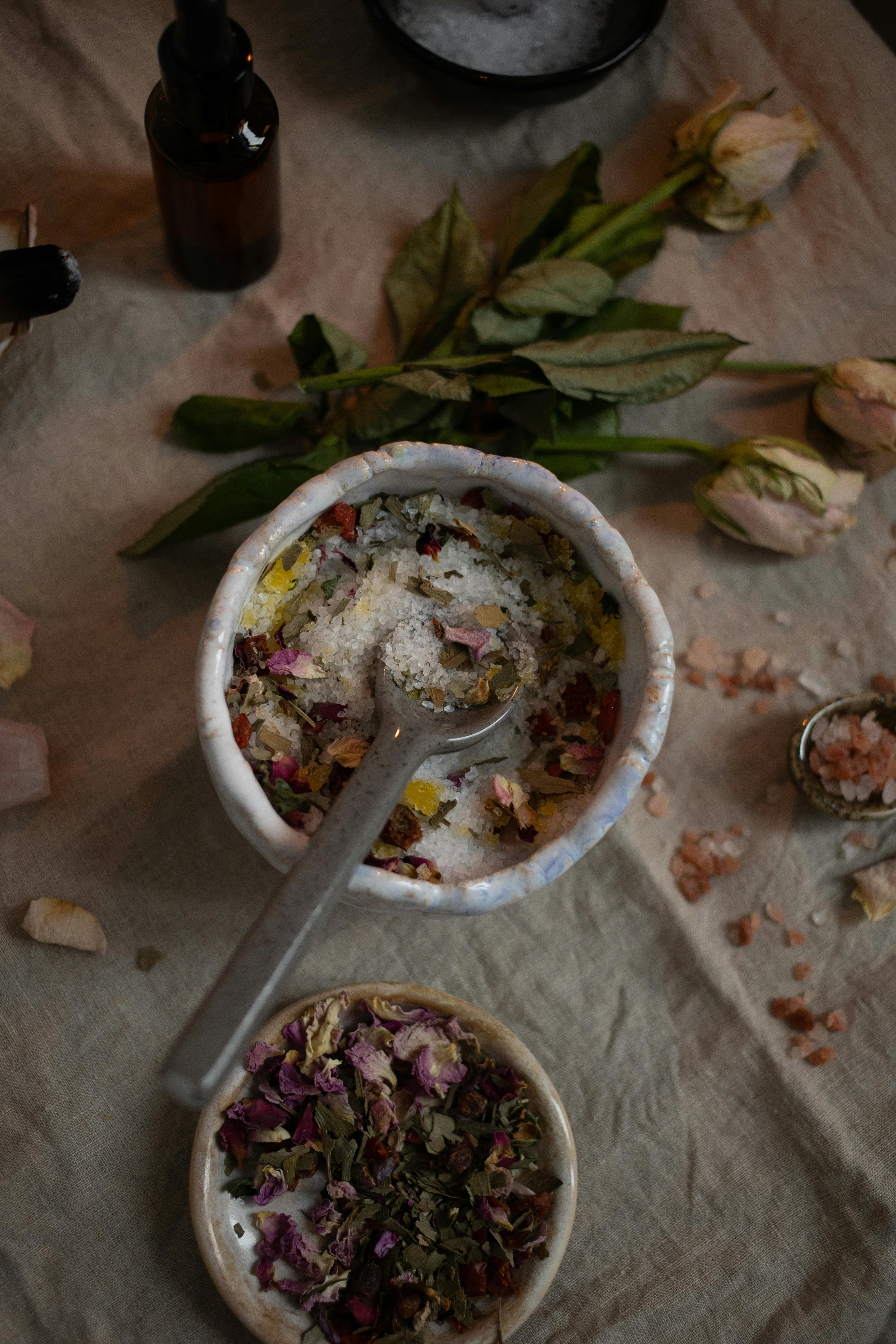
My grandmother saved the cloudy water from washing rice. She'd pour it into a bowl, let it sit, and use it to rinse her face before bed. I thought it was a thrifty-old-lady thing, like reusing tinfoil. Turns out she was onto something the entire Korean beauty industry would eventually bottle and sell back to me for $20.
Rice gets skipped in most ingredient conversations. Snail mucin has its cult. Centella has its whole calming-the-redness reputation. Niacinamide is on every shelf. Rice just sort of sits there, quietly showing up in the ingredient list, not asking for attention. Which is a shame, because for a lot of skin types it does more reliable work than the trendy stuff.
So let me make the case. And — because I'd rather you not waste money — let me also tell you where rice gets oversold.
What rice actually does on your skin
Here's the honest version, minus the marketing.
Rice (whether it's rice extract, rice water, or rice bran) is mostly a gentle multitasker. It contains starches, amino acids, a bit of vitamin B, vitamin E, and a couple of antioxidant compounds worth knowing by name: ferulic acid and gamma oryzanol. None of those are exotic. Ferulic acid you might recognize from vitamin C serums — it's a stabilizer and an antioxidant in its own right. Gamma oryzanol is a rice-bran compound that helps calm things down and has some antioxidant action.
The two effects you'll actually notice over time are brightening and soothing.
The brightening is the gentle kind. Rice doesn't bleach color out of your face. What it seems to do is nudge things toward a more even tone and add a bit of that lit-from-within look — partly from the antioxidants, partly because hydrated skin just reflects light better. If you've got a dull, tired, "I haven't slept in three days" complexion, rice is good at quietly fixing that. If you've got a stubborn dark spot from a pimple two years ago? Rice alone is not going to erase it. Be realistic.
The soothing is real too. Rice is one of the mildest things you can put on your face. Low irritation potential, no sting, plays nicely with sensitive and reactive skin. That's a big part of why Korean formulators love it — you can build a whole gentle product around it without picking a fight with anyone's barrier.
And it's a decent humectant. It helps skin hold onto water, which is where most of that "glow" actually comes from. Not magic. Just hydrated, calm, evenly-toned skin. Which, honestly, is what most of us are chasing anyway.
What rice is NOT: a retinoid, an acid, a serious anti-aging active. You'll see brands hint that rice tackles wrinkles. The antioxidants offer some everyday protection against the free-radical damage that ages skin over years, sure. But if fine lines are your main concern, rice is a nice supporting player, not the lead.
A quick word on the history (and the part everyone exaggerates)
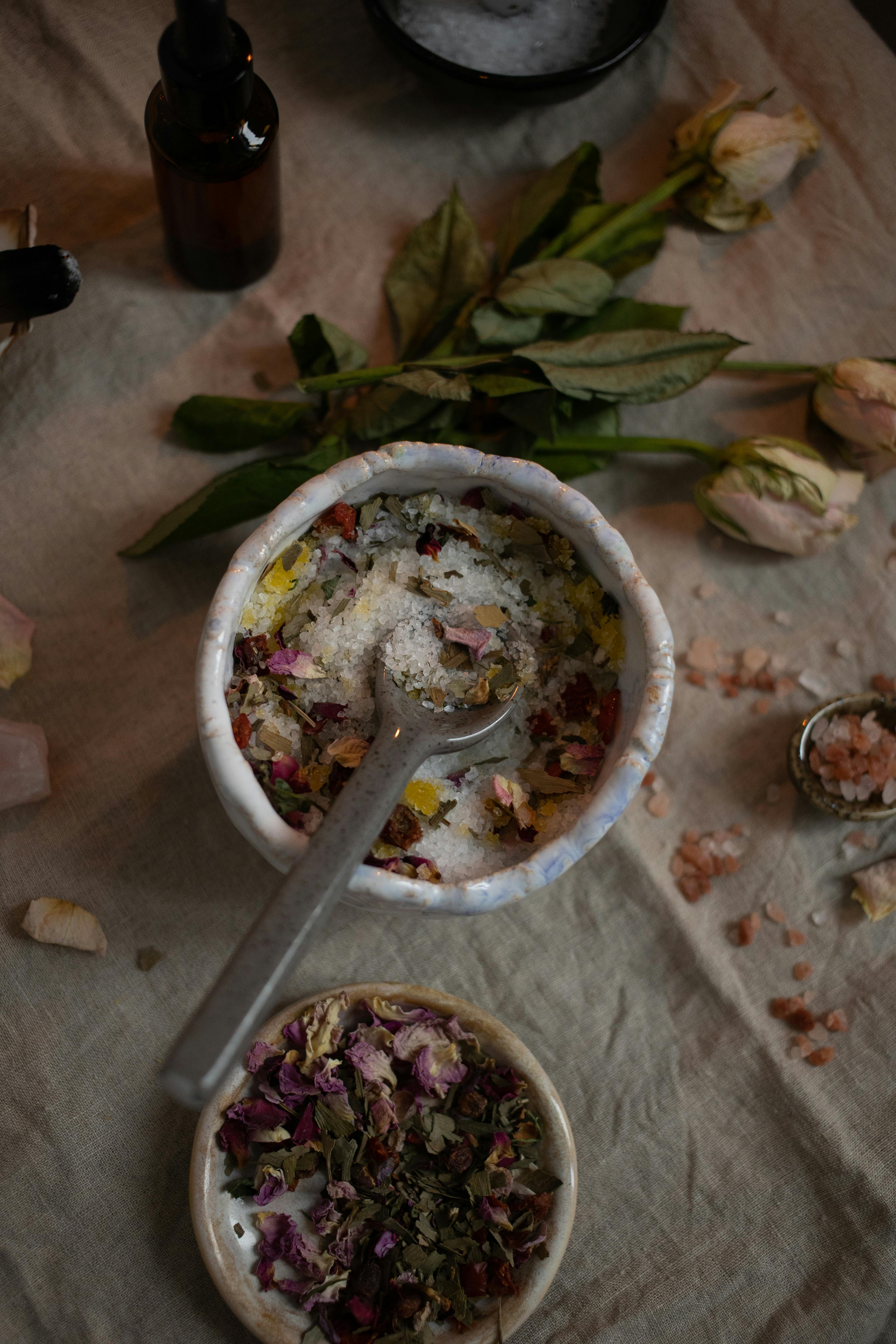
Yes, rice water has been used on skin in Korea for a very long time. Women rinsed their faces with it. That's true and it's lovely.
But I want to be careful here, because this is where K-beauty content goes off the rails. You'll read that queens bathed in rice water and that's the ancient secret to legendary beauty. Maybe! I wasn't there. Rice was genuinely precious — it was food, currency, the thing that kept people alive — so the idea of using the leftover wash water on your skin makes total practical sense. Nothing went to waste.
What I'd push back on is the mysticism. Rice didn't survive into modern skincare because of royal magic. It survived because it's cheap, gentle, and mildly effective, and because Korean brands got very good at fermenting and concentrating it. The tradition is real. The folklore is just folklore.
The different forms, and which one matters to you
Not all "rice" on a label is the same thing. Here's the breakdown without the fluff.
Rice water is the simplest form — the cloudy liquid from rinsing or soaking rice. It's gentle, hydrating, faintly brightening. This is the DIY-friendly version and the base for a lot of toners.
Rice extract is the standardized, processed version brands put in toners, serums, and creams. More consistent than DIY, more concentrated, won't spoil in three days.
Fermented rice is where it gets interesting. Fermenting breaks rice down into smaller molecules your skin absorbs more easily, and the process creates byproducts (amino acids, that sort of thing) that seem to make it work a little harder. The famous example is SK-II's "Pitera," which is basically fermented rice ferment filtrate marketed at luxury prices. You do not need to spend SK-II money to get fermented rice — plenty of affordable Korean brands ferment theirs too.
Rice bran is the outer layer of the grain, and it's the most nutrient-dense part. More antioxidants, more of that gamma oryzanol. Rice bran oil and extract show up in richer, more treatment-focused products.
If your skin is sensitive and you want simple: rice water or rice extract. If you want a bit more punch and your skin tolerates it: fermented rice or rice bran. That's genuinely the whole decision tree.
The products I'd actually point you to
I've tried a lot of rice-based stuff. Some of it is forgettable. These are the ones I keep coming back to or keep recommending to friends who ask.
Beauty of Joseon Glow Deep Serum: Rice + Alpha Arbutin is probably the easiest one to recommend, full stop. It pairs rice with alpha arbutin, which is an actual brightening agent that targets dark spots — so you get rice's gentle glow plus something with a bit more direct fade power. Lightweight, sinks in fast, doesn't pill under sunscreen. If you want one rice product and you've got some uneven tone, start here.
Beauty of Joseon Relief Sun: Rice + Probiotics is the sunscreen half of the equation, and it's wildly popular for a reason. It's a chemical SPF that doesn't leave a white cast, feels more like a skincare step than sunscreen, and has rice in the formula for a little extra comfort. I'm not claiming the rice is the reason this sells out everywhere — that's the lovely texture — but it's a nice gateway if you want rice working in your daytime routine without thinking about it.
I'm From Rice Toner is the one to grab if you want rice front and center. The brand is built around single-ingredient hero products, and this toner is heavy on rice extract. It's hydrating, a touch milky, and good for that prep-the-skin, glass-skin step. There's a matching cleanser and serum in the line if you want to go all in, though the toner is the standout.
Haruharu Wonder Black Rice uses black rice rather than white, which is higher in antioxidants (the dark pigment is the giveaway — it's anthocyanins, the same family that makes blueberries dark). The Black Rice line leans slightly more toward anti-aging and tends to have a low-irritation, naturally-derived approach. The toner and the moisturizer are both solid picks for normal-to-dry skin.
The Face Shop Rice Water Bright is the budget-friendly classic. It's a cleansing line built around rice water — the cleansing foam and the cleansing oil are the ones people buy on repeat. Nothing fancy. Just gentle, affordable, gets your makeup off without stripping your face. A perfectly good entry point if you don't want to spend much to see whether rice agrees with you.
I'm deliberately not throwing a wall of products at you. These are the ones I'd actually buy again. Quality over a long list.
A DIY toner, if you want to test the waters for free
Before you buy anything, you can literally try rice on your skin tonight. Here's the version I use when I'm out of toner and too lazy to go to the store.
Rinse about half a cup of white rice once to get rid of dust, then add it to a bowl with a cup or two of clean water. Let it soak fifteen to thirty minutes. Swirl it around, strain out the rice, and you've got cloudy rice water. Keep it in the fridge and use it within two or three days — there are no preservatives in here, so it will go off, and old rice water is not something you want on your face.
Pat it on after cleansing with a cotton pad or just your hands. Will it change your life? No. Will it tell you whether your skin likes rice before you commit $20 to a serum? Yes. That's the whole point.
One caveat: skip the rice-scrub recipes that have you grinding rice into a gritty paste. DIY physical scrubs are harsher than they look and the particle sizes are all over the place. Rice is supposed to be the gentle ingredient. Don't sandpaper your face with it.
How to fit it into a routine
You don't need a dedicated five-step rice ritual. Pick a spot or two and let rice do its quiet thing.
A rice toner or essence right after cleansing is the most natural fit — it preps the skin and adds that first layer of hydration. A rice serum (the Beauty of Joseon one) goes after that, on slightly damp skin, before your moisturizer.
It layers fine with the usual suspects. Rice and niacinamide together are a nice gentle brightening combo. Rice and hyaluronic acid stack hydration on hydration. If you use a vitamin C serum in the morning, rice plays well alongside it. There's no dramatic don't-mix-these warning to give you, because rice is too mild to clash with much.
The one thing I'll repeat because people forget it constantly: sunscreen. Any brightening you're doing — rice, arbutin, vitamin C, whatever — is undone by UV. If you're putting in the effort to even out your tone, wear SPF every single day or you're just bailing water out of a leaky boat.
So what should you actually expect?
Give it a few weeks of consistent use, not a few days. Early on you'll mostly notice skin feeling more comfortable and hydrated — that's the soothing and humectant side kicking in first. The tone-evening and glow build slowly after that. Somewhere around the month mark is when friends start asking if you changed something.
But manage the expectations. Rice is a slow, steady, gentle ingredient. It's the dependable friend, not the dramatic one. It won't fade deep hyperpigmentation on its own, won't smooth real wrinkles, won't transform your face overnight. What it will do is make most skin types calmer, more hydrated, and a little more luminous over time — with almost no risk of irritation, which is more than I can say for half the trendy actives out there.
That's not nothing. Honestly, for the price and the gentleness, it might be one of the best low-effort upgrades you can make.
My grandmother knew. I just took the scenic route to agreeing with her.
Product prices and availability are accurate as of the date/time indicated and are subject to change. Any price and availability information displayed on Amazon at the time of purchase will apply to the purchase of this product.
Medical disclaimer. This article is for educational purposes and is not medical advice. Everyone’s skin is different, and what works for one person may not work for another. If you have persistent or painful skin concerns, please see a licensed dermatologist or healthcare professional.