The Night Shift Skincare Survival Guide (For When Your Body Clock Is Wrecked)
Three in the morning, somewhere under fluorescent lights, you catch your reflection in a darkened window and think — who is that. The skin looks tired in a way that sleep won't fix, because the sleep is happening at the wrong time. I've been there. My sister is a nurse, twelve-hour overnights, and the first thing she ever asked me about skincare was: "Why does my face look like it's been through a war and I haven't even left the building?"
Here's the short answer. Your body runs on a clock that doesn't read your work schedule.
When you're awake at 3 AM, your internal systems are still expecting you to be horizontal and dead to the world. Cortisol — the stress hormone that's supposed to wind down at night and spike in the morning to wake you up — gets confused. It stays elevated when it shouldn't. And elevated cortisol does real things to skin: it breaks down collagen over time, it makes you hold onto water in weird places (hello, puffy under-eyes), and it cranks up oil production, which is how you end up shiny and dehydrated at the same time. Cruel combo.
So no, you're not imagining it. Shift work is genuinely harder on your face. But it's manageable, and most of the advice floating around for night workers is either useless or written by someone who's never worked past 10 PM. Let me give you the version that actually works around your life.
Medical Disclaimer: This is for general information, not medical advice. Everyone's skin is different, and chronic shift work has health implications beyond skin — if you're struggling with sleep, persistent breakouts, or anything that worries you, talk to a doctor or a dermatologist who gets the realities of shift work.
Your "morning" is whenever you wake up
The single most useful reframe I can give you: stop thinking in terms of AM and PM. Think in terms of your day. When you wake up — whether that's 9 PM or 4 in the afternoon — that's your morning. When you finally crawl into bed, that's your night. Your skincare should follow that, not the clock on the wall.
This matters because the two pillars of any routine are tied to your activity, not the sun's position. You protect your skin while you're awake and exposed to stuff. You repair it while you sleep. Doesn't matter if the sky is dark or bright. What matters is which phase you're in.
Once that clicks, everything else gets simpler.
Before your shift: the wake-up routine
You've just dragged yourself out of bed. Your face is creased from the pillow, slightly puffy, maybe a little oily because you slept through what your body still considers prime oil-production hours. This is your morning routine, even if it's dinnertime.
Start with a gentle cleanse to clear off the night's grease without stripping anything. COSRX Low pH Good Morning Gel Cleanser is my default recommendation here — it's mild, slightly acidic so it respects your skin's barrier, and it doesn't leave that squeaky tight feeling that some foaming cleansers do. If your skin runs dry, a splash of cool water and a soft towel is honestly fine some days. Don't over-wash. You're trying to wake your skin up, not punish it.
Then hydration, because dehydrated skin is the through-line of every shift worker's complaints. A watery, layerable toner does a lot of quiet work. Anua Heartleaf 77 Toner is calming if your skin leans reactive (the heartleaf, or houttuynia cordata, is a Korean staple for redness). If you want pure plumping hydration, Torriden Dive-In Low Molecular Hyaluronic Acid is a thin serum that sinks in fast and pulls water into the upper layers of your skin. Pat it in, don't rub.
Now the part people skip and then wonder why their skin looks rough by hour six.
Yes, sunscreen. Even on nights. Here's the actual logic.
I know what you're thinking. It's dark. I'm inside. Why on earth would I put on SPF?
A couple of reasons, and I want to be honest about which ones are strong and which are softer. The strong one: if any part of your "day" overlaps with daylight — your commute home at sunrise, running errands before bed, sitting near a window during a shift change — you're getting UV, and UVA in particular comes through windows and clouds and doesn't care that you feel nocturnal. That's the real argument for sunscreen.
The softer argument is blue light and indoor lighting. You'll see a lot of breathless claims that fluorescent bulbs and screens are aging you like the sun. The honest version: the evidence for visible-light damage from screens is pretty thin, and your monitor isn't your enemy. But a good sunscreen happens to be a solid moisturizer with antioxidants baked in, so wearing one isn't a waste even on a fully indoor shift.
My pick, and I'll die on this hill: Beauty of Joseon Relief Sun. It's a chemical SPF50+ that feels like a light essence, sinks in with zero white cast, and has rice and probiotics so it doubles as skin comfort. It doesn't fight you. For a fully indoor night shift, think of it as your moisturizer-with-benefits. For any daylight at all, it's doing its real job. If you want more on why Korean formulas win here, I've got a whole rant in why Korean sunscreens are the best.
That's it for pre-shift. Cleanse, hydrate, protect. Five minutes, tops.
The mid-shift problem: dry, flat, fluorescent-lit dread
There's a specific kind of tired your face gets at hour seven. Flat. Crepey around the eyes. That HVAC system has been quietly sucking the moisture out of the air — and out of you — the entire time. Hospital air, office air, warehouse air, it's all the same desert.
You can't redo your whole routine in a break room. You don't need to. You need two things in your bag.
First, a hydrating mist — and not the kind that just evaporates and leaves you drier than before. Look for one with actual humectants or soothing ingredients, not just "aqua" in a can. A few spritzes, then press your palms gently over your face to push the water in instead of letting it dry off. Ten seconds. Do it in the bathroom, do it at your station, nobody's watching.
Second, and this is the one that surprised my sister: a sheet mask is not just a spa-day thing. On a long break, a hydrating sheet mask is the fastest way to flood tired skin. Mediheal masks are cheap, come in bulk, and the N.M.F Aquaring ones are pure hydration. Fifteen minutes in a break room with a mask on your face feels ridiculous the first time. By the third time you're a convert. Take it off, press in the leftover essence, done. Your skin will look plump for the rest of the shift.
If a mask is too much, even a thin layer of COSRX Advanced Snail 96 Mucin Power Essence patted over the day's dryness will revive things. Snail mucin sounds gross and works beautifully — it's hydrating and slightly healing, and it layers over makeup in a pinch.
One more thing while we're here. Keep a hand cream nearby if you wash your hands constantly (nurses, food service, you know who you are). Cracked knuckles are a shift-work tax nobody warns you about.
After your shift: the repair window is yours to claim
This is the most important part, so don't phone it in even though you're exhausted. Your skin does most of its repair work while you sleep, period. It doesn't matter that the sun's up and the birds are being obnoxious outside. When you sleep, your skin repairs. So your post-shift routine is your nighttime routine, full stop.
You've come home with a film on your face — sweat, oil, sunscreen, whatever your workplace coated you in. Double cleanse. Oil cleanser or balm first to melt off the SPF and grime, then your gentle gel cleanser to clear the rest. This isn't optional if you wore sunscreen, which I just spent three paragraphs convincing you to do. Sunscreen needs an oil-based step to come off properly. Skip it and you'll clog, then you'll email me confused about breakouts.
Cleansed skin, then your treatment step. This is where you actually fix things:
- Hydration first. Your Torriden Dive-In serum again, or a hydrating toner pressed in layer by layer. Damp skin holds everything better.
- A repair active, a few nights a week. Niacinamide is the gentle workhorse — it helps with oil, tone, and barrier. Snail mucin again if you want pure healing. If your skin tolerates it and you're not also dealing with raw irritation, a low-strength retinol a couple nights a week earns its keep for the collagen support shift workers lose. Start slow. Tired skin is reactive skin.
- Lock it in. A proper moisturizer to seal the deal. If your barrier is shot — tight, flaky, stinging — Illiyoon Ceramide Ato Concentrate Cream is the thick, boring, ceramide-loaded cream that repairs a wrecked barrier better than anything at its price. I wrote a full review of it here because it deserves it. For something lighter, Round Lab Birch Juice Moisturizing Cream is hydrating without the weight.
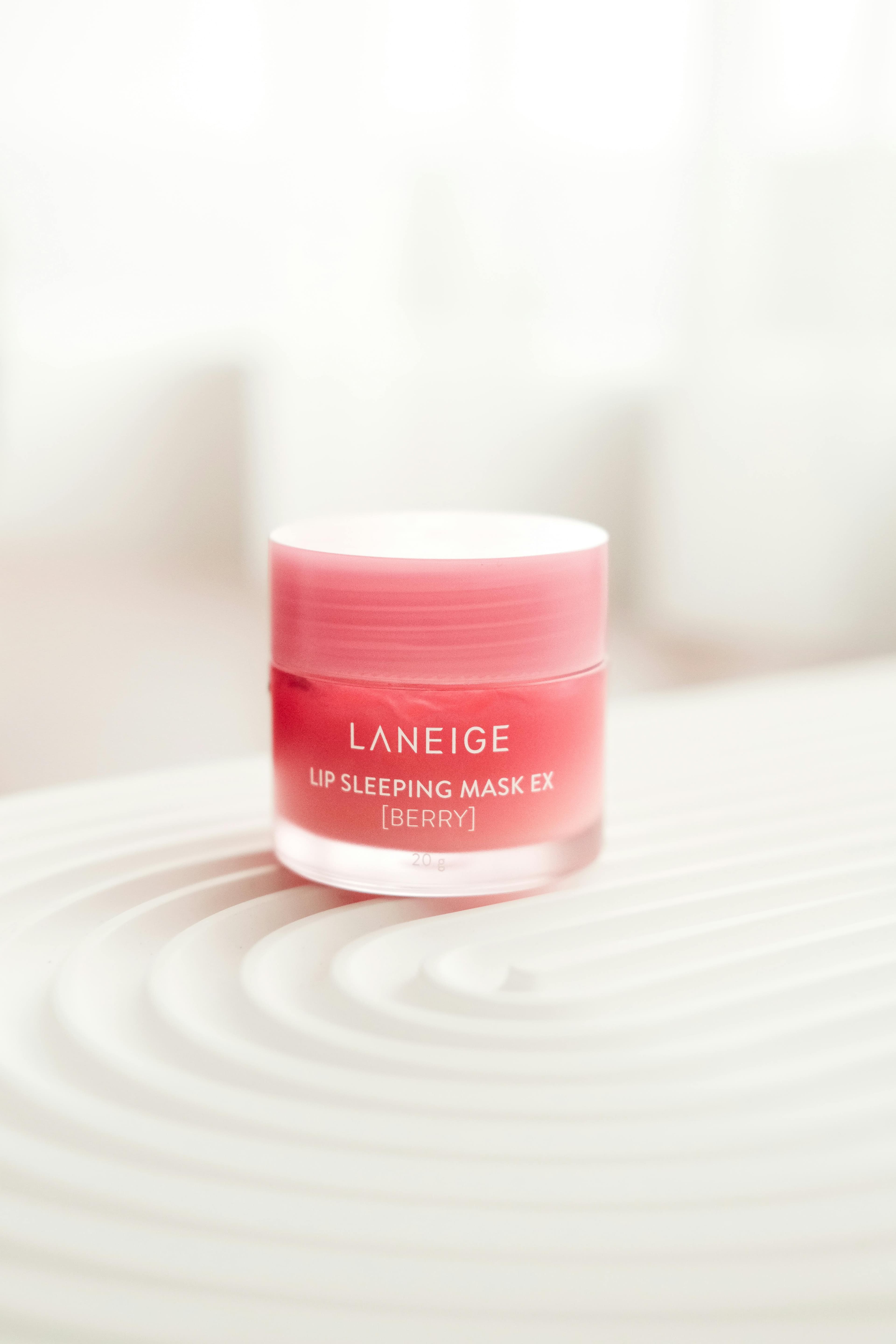
Then the move that makes the biggest difference for daytime sleepers: a sleeping mask as your last step. Laneige Water Sleeping Mask is the famous one for a reason — it's a gel that sits on top of everything and keeps pumping hydration in while you're out cold during the day. You wake up (at 4 PM, whatever) and your skin is soft instead of parched. For drier skin, the COSRX rice overnight version is richer.
That's the whole repair routine. Cleanse twice, hydrate hard, treat, seal, mask. Ten minutes, and you'll feel the payoff the moment you wake up.
The dark circles and puffiness situation
Let's talk about the under-eyes, because this is where shift work shows up first and loudest, and where people waste the most money chasing miracles.
Here's the unglamorous truth. A lot of "dark circles" from disrupted sleep are really fluid and shadow — your body retaining water overnight (cortisol again), plus the natural hollow under your eye casting a shadow that reads as darkness. Some of it is genetic pigmentation or thin skin showing the blood vessels underneath, and no cream on earth erases that. So manage your expectations and save your money.
What actually helps:
Cold. This is the cheapest, fastest fix and nobody does it. Cold constricts blood vessels and drains the puff. Keep a couple of metal spoons or a jade roller in your fridge and run them under your eyes for a minute after you wake up. Refrigerated eye gel patches do the same thing and feel incredible on a face that's been awake for nineteen hours. I keep mine cold and slap them on while my coffee brews.
Hydration and a gentle eye cream. Dehydrated under-eye skin looks more sunken and shadowed, so just keeping that area moisturized softens the look. Caffeine eye products give a temporary tightening, de-puffing effect — real but short-lived, which is fine, you just want to look human for a shift.
Sleep, honestly. I know, I know. But blackout curtains, a sleep mask, and earplugs to actually get six or seven solid hours during the day will do more for your eyes than any product. Treat your daytime sleep like the real thing it is. Dark room, cool temperature, phone face-down across the room.
If you want the full toolkit on faking a rested face, I went deep in how to look like you slept 8 hours.
Breaking out more than you used to?
This is the other big one I hear. The cortisol-oil-inflammation cycle I mentioned at the top tends to show up as breakouts around your jaw and chin, plus a general congested, bumpy texture.
Don't panic and don't strip your skin. The instinct when you break out is to scrub harder and pile on harsh acids, and on already-stressed skin that backfires — you damage the barrier, your skin overproduces oil to compensate, and you break out more. Classic shift-worker death spiral.
Instead, keep it simple. A gentle salicylic acid product a few nights a week to keep pores clear. Niacinamide for oil regulation. Hydration, because — say it with me — dehydrated skin overproduces oil. And hands off your face during your shift. You touch a thousand surfaces and then prop your chin on your hand at hour ten; that's where the jaw breakouts come from. If you're fighting persistent breakouts, my acne-prone skin fixes guide goes further than I can here.
What to do on the nights you've got nothing left
Some nights you come home and the idea of a ten-step routine makes you want to cry. You will not do it. I'm not going to pretend you will.
So here's your bare minimum, the floor below which you don't go: take everything off (a cleansing balm or even a micellar wipe in a real pinch), and put on a layer of moisturizer or that sleeping mask. That's it. Clean and sealed. Going to bed with a full day of sunscreen and grime baked onto your face is the one thing that genuinely sets you back, so just get it off and get hydrated.
Consistency beats intensity every time. A simple routine you actually do four nights out of five wins against a perfect routine you do twice and then abandon. The skin doesn't reward heroics. It rewards showing up.
A note on the longer game
I'm not going to wrap this up with a pep talk about how your glow is your power or whatever. You're tired and you came here for practical help, not a motivational poster.
But I'll say this. Shift work is hard on your whole body, not just your face, and the skin stuff is honestly a small piece of it. The same things that help your skin — actual rest in a dark room, managing stress where you can, staying hydrated through a long shift, not running yourself into the ground every single day — are the things that help all of you. The skincare is the easy, controllable part. Start there if it makes you feel a bit more like yourself at 3 AM. Then maybe go fight for better sleep, too.
Your skin doesn't know it's the middle of the night. But it knows when you take care of it. Give it a clean face, water, and a sealed barrier on the way to bed, whatever time bed happens to be, and it'll meet you halfway.
Want more routines that bend around real life instead of the other way around? I've got guides for busy students, gamers, and people who genuinely cannot be bothered.